Icon by Paradise Lost, 30 years later

I can’t claim to have been familiar with the institution of British metal that is Paradise Lost back when Icon was originally released. It was 1993. I was beginning my trip down the metal rabbit hole, but only just. Like many people who listened to rock radio, I was listening to Metallica and Countdown to Extinction. I had started to branch out a bit on my own, taking my love of progressive rock and seeing how it fit with a heavier sound. Images and Words by Dream Theater was getting heavy rotation.

It wouldn’t be until many years later, 2009 to be precise, when Paradise Lost appeared on my radar, with their release of Faith Divides Us – Death Unites Us. I had been gradually expanding my musical tastes over my years in medical school and through residency. Those were incredibly difficult years. Years that have left scars on me that I carry with me to this day. One of the ways I dealt with the trauma of those years was to embrace the darkness that metal music embodied.

Faith Divides Us – Death Unites Us resonated with me. The heavy, dark tone, with a gothic atmosphere and a sound that spoke of some of the uglier aspects of life was what I needed. Hell, there was even a track on that album titled “Living with Scars”. Yeah, I was almost instantly hooked.

One of the most wonderful things I have experienced in life is discovering a new band that already has a healthy catalog. I’m not kidding or being hyperbolic. I love music, and the joy of discovering a new band, and then diving into hours of near music is just sublime. Such was the case with Paradise Lost. There were 11 full albums from the band that preceded that most recent release.

To say I was excited would be an understatement.

As I am wont to do, I also began reading about the band on the internet. I read all about Draconian Times and how it was often considered their landmark record. I listened to and loved that album. But there was another.

Two years earlier, the band had released Icon. The cover was striking but unsettling. But by this time, I was all in on the band. So I listened to it.

And quickly discovered my own, personal favorite Paradise Lost album.

I actually don’t think Paradise Lost has a bad album. They have very, very different albums. A trip through their discography will be one of fascinating discovery, as the music moves from death/doom, to gothic metal, to dark synth pop, back to gothic metal, and ending (currently) at a healthy death/doom and gothic mix. There isn’t a dull moment.

But I still kept coming back to Icon. There is an urgency, a power to the songs that I find still keeps them vibrant to this day. It is an album that stands proud amongst all other peers in the metal world of the early 90s.

And so, with the 30th anniversary upon us of this influential and seminal album, Paradise Lost chose to re-record it.

We have, again, a triumph.

Icon 30 is Icon brought into the modern world. The original always had just a bit of soft edge, in terms of the production. Icon 30 gives this album the edge it always had, but that wasn’t evident. It doesn’t matter that these songs were written and originally recorded 30 years ago. They don’t sound dated in the least.

Rather, particularly with the new recordings, they have all the bite that they were intended to have, and are as relevant to the world of music and metal as they were 30 years ago. Perhaps even more so.

There are no breakdowns to be found. Paradise Lost didn’t need them to punch you in the gut. Nick Holmes’ voice is powerful, gritty, urgent and intoxicating. The guitars shine and drive. The bass and drums are punchy, groovy, and listening to this version of the album just proves what incredibly musicians and writers the band is.

Icon has been, for the last 15 years, my favorite Paradise Lost album. Icon 30 has reconfirmed that love and is a vibrant example of just how timeless metal music can be.

More subgenres than genres

I’m a metal head. Have been for a few decades now. Given that it has been that many years, one of the aspects of metal that I barely even notice anymore is just how many subgenres there are.

This was brought to the forefront of my mind just yesterday. I was at work, and music was playing. At one point, someone asked me, “What the hell is this music?” It gave me pause for just a moment. I had actually chosen some of my music that I deemed to be the most “accessible” and the least unusual or offensive to the other people in the room with me. In my line of work, often people are asleep. In that case, I listen to whatever I want to. But when people are awake, I strive to be more selective in what I choose to play.

So, it really surprised me that, what I had deemed to be easily accessible and “normal” metal warranted such a question.

Still, I tried to answer and offered that I would consider it “gothic doom.”. That was when another individual in the room offered the observation, “I think there are more genres of metal than there are genres of all other music combined.”

That made me think. Because, honestly, I’m not sure that the truth is too far off from that comment. There are so many subgenres that all fall under the metal umbrella. There are entire, 20+ minute YouTube videos that discuss the different genres of metal. On the surface, that seems insane.

But to me, it just seems natural. It makes sense. Hell, it even seems necessary. Because, of course, just because someone likes Iron Maiden, that does not, at all, mean they are going to like Gorguts or The Melvins. They all fall under the metal umbrella, but they are so different as to not even seem like the same type of music. At least to those of us already in the “know”.

But, again, why is it that way?

Despite all being metal, so many of the subgenres found within the genre have very little in common with each other, other than the fact they use distorted guitars, bass and drums.

And, well, that is all that really sets metal apart from all other genres of music. So it isn’t that odd, is it?

But more than that, it helps to really categorize music. There is a vast gulf between the thrash metal of Slayer, the polished progressive metal of TesseracT, and the slow, ponderous build of Bell Witch’s funeral doom.

Or, take, for example, two of my very favorite bands. From a musical standpoint, there is very little that is the same between the building, dynamic post-metal of Neurosis, and the progressive styling of Fates Warning. In fact, it would almost be impossible to find two albums that, at least on the surface, seem more dissimilar than the epic titan of an album Through Silver In Blood, and its temporal counterpart, the excellent album A Pleasant Shade of Gray.

So, to simply refer to both of these as metal albums doesn’t help the listener. One may be right up their alley, while the other could be something they have little to no interest in.

As I think about it, it really is just a type of shorthand. With a style of music that is so varied and has a truly incredible amount of breadth and depth to it, this shorthand helps to describe the music to someone else who may, or may not, be interested.

I love post-metal. It is one of my favorite types of metal. If you tell me something is post-metal, I am going to give it a chance, no questions asked. However, I am much more selective in my black metal. So I’ll need additional information before I decide to listen to something with that label.

Those labels help. They accelerate the process of understanding and setting expectations for the music. And so, something that initially seems to be a hindrance to someone getting into metal can actually evolve into a strength.

And with just so damn much metal out there, that shorthand is a real lifesaver.

Obsidian by Paradise Lost is just a juicy and fat sounding album. I forget how much I like this album until I come back and listen again.

Exploring 90s Metal Weirdness

As a child of the late 70s and 80s, I find myself still thinking of metal as a young genre. Compared to some types of music, it certainly still is. Still, it has been around for over half a century, and while continuing to evolve, in many ways is as strong now as it ever has been.

That wasn’t always the case, though.

A brief history

With roots in the late 60s, it really was 1970 with the releases of both Black Sabbath and the follow up Paranoid that entrenched heavy metal as a new, darker, heavier style of rock music. Throughout that decade, it continued to grow, and we saw the birth of some of metal’s most enduring and important bands such as Judas Priest and Iron Maiden.

The 80s saw huge growth in metal, with the genre expanding into the mainstream, and multiple sub-genres arriving on the scene. Hair/Glam bands dominated the airwaves, while underground bands began to flourish as well. And amongst those new, emerging genres was one in particular. Thrash metal took elements of the NWOBHM bands and decided to get angry. Riffs were faster, more aggressive and vocals began to take on a harsh edge. Still singing, the thrash vocalists added distortion to their singing, increasing the aggressive nature of the music. Add to that, lyrically, thrash music often addressed more serious themes such as isolation and alienation, injustice in society, and went after these topics with anger.

This wasn’t mainstream music, and early thrash releases such as Metallica’s Kill ‘Em All, Slayer’s Hell Awaits, and Megadeth’s Killing is my Business… And Business is Good! just added to the stigma against the emerging genre. Yes, the 80s demonstrated both a boom in metal as well as an increase in the criticism levied against the music.

And then came the 90s.

The perils of commercial success

As the 80s wound to a close, the sheen of the Glam/Hair scene was starting to wear off. The sleaze, trash, and outright misogyny of the genre was wearing thin. At the same time, some of metal’s biggest, but still not mainstream, acts were being catapulted into the spotlight. Nowhere was this more evident than on the 1991 release Metallica.

With much more accessible sound, in part powered by the cleaner, much more full production under the hands of Bob Rock, “Enter Sandman” and many other tracks became staples of not just rock radio, but top 40 radio as well. Metallica began to sell out stadiums, and Metallica the album has been certified 16x platinum in the US. That success was sure to have repercussions.

Just under one year later, Megadeth would drop Countdown to Extinction on the world, stripping away much of the aggression and technicality of its predecessor, the incredible Rust in Peace. It, too, would become a commercial success for the band. I don’t know if Dave Mustaine would admit that the change in direction was in response to Metallica’s incredible success from the previous year, but it seems almost impossible that it wasn’t, at least in part.

Suddenly we had some of the 80s most aggressive and influential metal bands releasing music that had so much of the hard edge sanded off. This was metal that was easily digestible. It was widely palatable for the masses, and seemed designed to appeal to those masses. I won’t ever begrudge a band or artist commercial success. But listening to these albums, there just seemed to be something missing, at least to this metalhead’s ears.

But that wasn’t the only force at work here.

Image courtesy DALL-E 3

A new type of heavy

Amidst these commercial successes from previous niche bands, we saw another change in the music landscape. The early 90s saw a huge surge in the popularity of the grunge movement.

Bands such as Nirvana, Pearl Jam, Soundgarden and Alice In Chains all emerged, many from the Seattle area, with huge success. Albums such as Nevermind, Ten, and Dirt landed in the early 90s, taking the airwaves by storm. Gone was the polish and glam of the 80s. Here was a raw edge, a sense of frustration at the world, and a desire to expose the ugly underbelly of society with music that was, in some ways, equally ugly.

The coffin lid closed and was slammed shut on the polished, pristine sound of the glam of the 80s.

Gone were the shredding guitar solos. Songs weren’t likely to be about girls or parties. They were more likely to be about relationships falling apart, about people falling apart. While one type of metal was going more mainstream, the mainstream was also actively rejecting the tropes of many other types of metal. The music landscape was changing. Friends of mine who outright rejected metal previously were no sharing copes of Metallica, Nevermind, and Badmotorfinger.

And in the midst of this, much of real metal was fading.

And then things got really weird

The year was 1994. It had been a crazy few years for metal and heavy music in general. Metallica was still riding the success of their self-titled album, touring across the world and still selling out stadiums. Nirvana, despite their insane success only a few years earlier, was dealing with the suicide of Kurt Cobain the spring of that year. Alice In Chains was dealing with Layne Staley’s heroin addiction. Megadeth was preparing to release their most commercial and pop-oriented album to date, Youthanasia

Near the end of October and album was released. It was the debut, self-titled album from a California band. Korn was unleashed upon a mostly unsuspecting populace. It was dirty, felt raw, sort of like grunge. But the vocals borrowed elements from rap and hip-hop, and there were elements such as record scratching that just hadn’t really been part of metal prior to this (excepting things such as the Anthrax version of Bring the Noise earlier that decade).

Subsequent releases from bands such as Korn as well as others (Limp Bizkit, Sevendust, Staind, and culminating in the late 2000 release Hybrid Theory by Linkin Park) would create a juggernaut of musical power that we still see the effects of today.

In the midst of this shifting landscape, we saw some classic metal bands really struggle. Metallica would continue to garner commercial success with releases such as Load and ReLoad, but lose many of their fans along the way, lamenting the metal aspect of the music as it continued on a trajectory of moody hard rock that was highly accessible. Megadeth would do the same with tepid and impotent releases such as Cryptic Writings and Risk. Even the mighty Iron Maiden struggled mightily during this time with sub-standard releases like The X Factor and Virtual XI.

All in all, if you were a fan of metal that was heavy and aggressive, it was becoming difficult to find in what had been some of the most reliable places.

The commercial success of grunge and then nu-metal really threw a wet blanket on more traditional types of metal. There were still some less well known types of metal flourishing, and even really coming into their own. But in many ways, it just wasn’t the same anymore.

Still, in the midst of all of this change, there were some bands continuing, striving, and releasing kick-ass music, sometimes even in spite of the demands from their record labels.

And one of those bands was Bay Area thrash legends Testament.

Next time, we’ll look at how they chose to respond to the winds of change the 90s brought.

My Week In Music – January 22, 2022

This was an odd week. 

I just really didn’t find myself drawn to that much in terms of music. Most of this was while operating. Some while working out (just can’t go wrong with Lamb of God while lifting weights), some while just listening to music. But overall, nothing really jumped out at me. 

The Vision Bleak popped on the list due to the recent wolf moon we had. Of course that instantly brought to mind their track “Wolf Moon”, and so I ended up listening to that whole album while working out. Wolverine made a surprising comeback, mostly because they are relatively safe to have in the background when a patient is awake. 

But really, I hope to spend a bit more time this week listening to music, finding things to enjoy again. I feel a bit like I am stuck in the desert. 

2021 In Review: Music

Best of 2021

  • Archspire – Bleed the Future
    • A tour de force of technical death metal. Yet still balances that with more quiet, calm moments. Understanding that, even at only 32 minutes, it would be too much if it was unrelenting. Also, songs. Not just display of technical ability, actual songs.
  • 1914 – Where Fear and Weapons Meet
    • WWI will always be a bleak subject, and here it is handled with aplomb. Blackened death metal, with the addition of some symphonic elements this go around. Interspersed with music and quotations from the time. The music is perfect for the subject matter: harsh, harrowing, yet with moments of emotion.
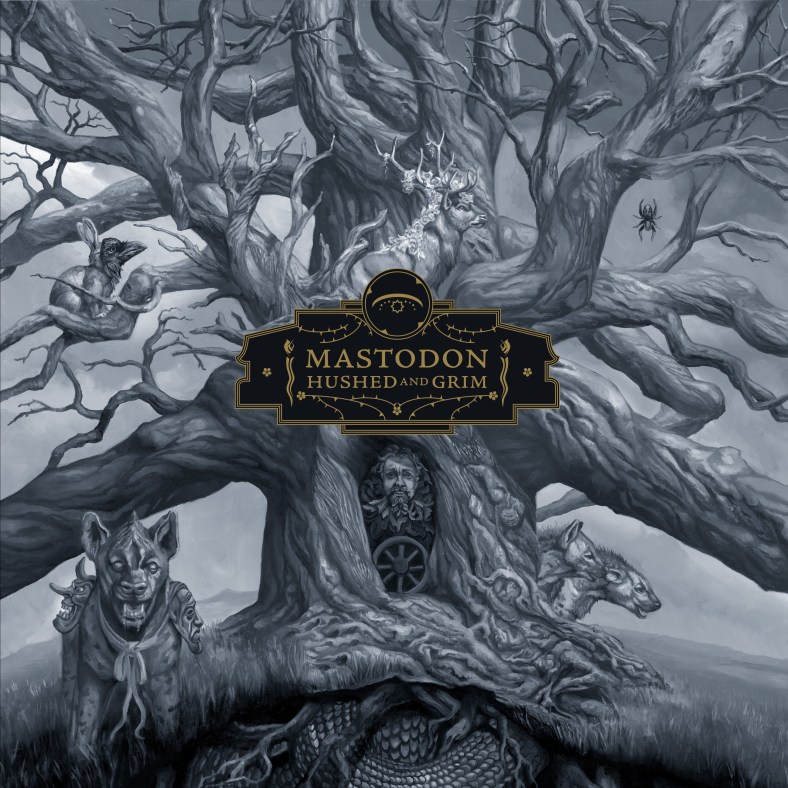
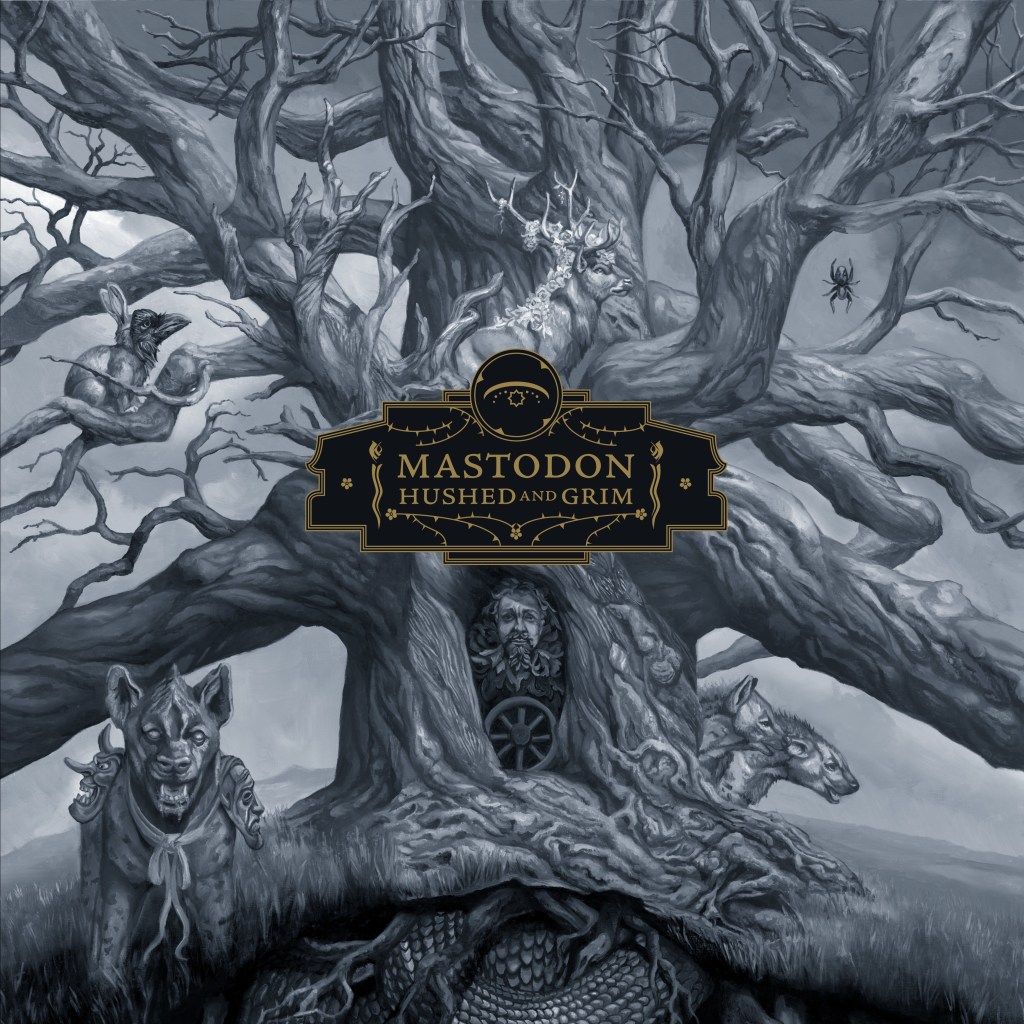
  • Mastodon – Hushed and Grim
    • Too long, yes. But honestly, every song wins me over at some point. Even the songs that start off in a style I despise (country anyone?) eventually grow into something that I appreciate. Packed with emotion, this one took a couple of listens, but definitely won me over.
  • AMENRA – De Doorn
    • Not Mass VII. And shame on us for wanting Mass VII. De Doorn is still classic AMENRA. Powerful, haunting, balancing being abrasive with being introspective. A shining example of what draws me to post-metal: quiet contemplation balanced with crushing brutality.
  • Black Sites – Untrue
    • Just damn good heavy metal in the classic sense of the term. Lead member’s previous band Trials was a much heavier act. Black Sites brings some of that edge, but couches it in a modern yet classic metal veneer. Catchy songs, excellent choruses, interesting compositions.
  • IOTUNN – Access All Worlds
    • Progressive death metal with a sci-if theme? Sign me up! And Jón Aldará on lead vocals? Oh hells yes. This is huge, grandiose progressive metal with death growls and soaring cleans, this just hits all the right spots for me.
  • LLNN – Unmaker
    • So. Heavy. LLNN deal in the heavier aspects of post-metal. This is crushing, brutal, truly heavy music. Yet it is still subtle. That seems impossible, but mixed in with the monolithic riffs and the tortured vocals are weaved synths as well as layered “field recordings” of sounds from the real world. Probably the best single word for this is devastating.
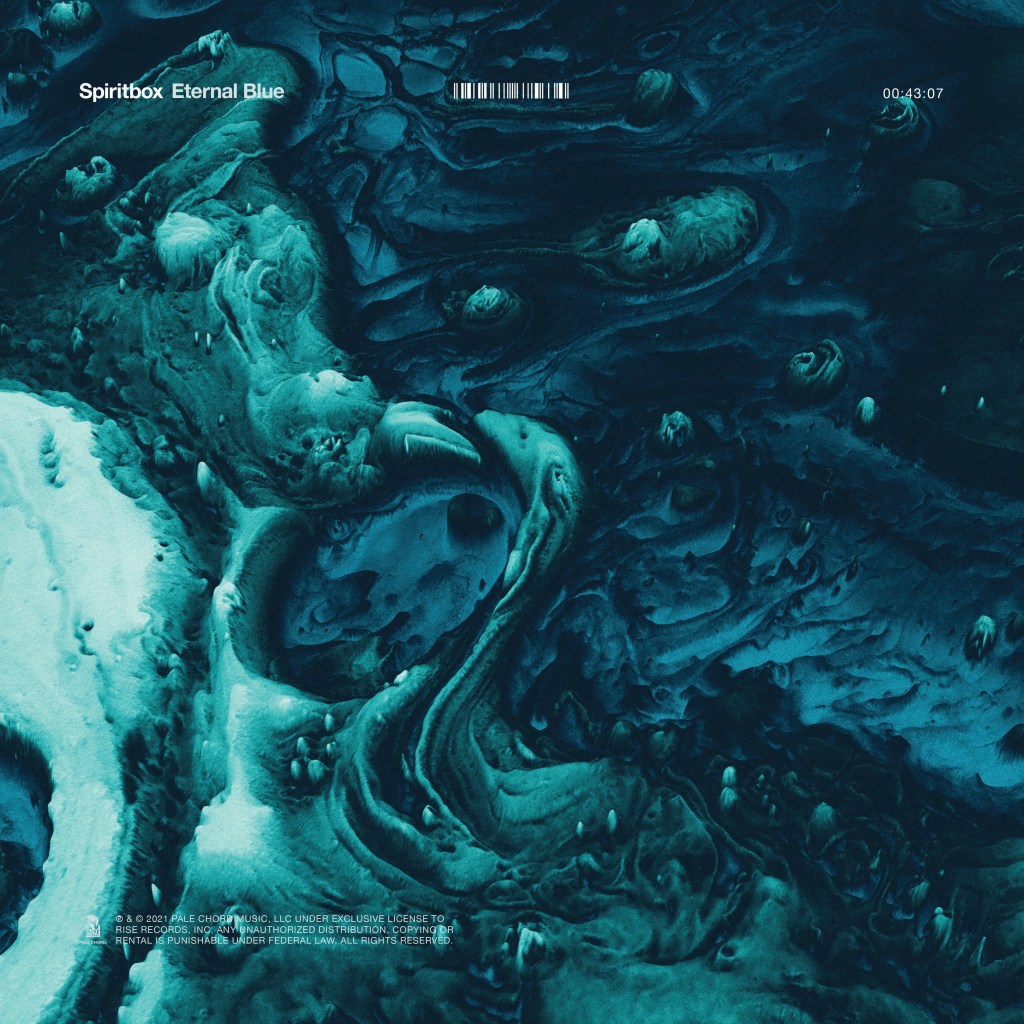
  • Spiritbox – Eternal Blue
    • On paper, I shouldn’t really like Spiritbox. While difficult to place in a genre, metalcore would be the best fit. And I don’t really love most metalcore. And while I appreciate and love the heavy (“Holy Roller”), what elevates Spiritbox and Eternal Blue for me are all the things that are distinctly NOT metalcore. The gorgeous cleans of Courtney Laplante, the electronic elements, the ambience, the effects and the ever present guitar skills of Mike Stringer. Spiritbox just strikes me as something special, and their first full length album confirms that.
  • Year of No Light – Consolamentum
    • I love almost all things post. It’s true. Add post-metal or post-rock tag to anything and I am immediately 5 times more likely to check it out. Then make it instrumental? Gaaaahh. Okay, I’m sold. And then the fact that the music is so good, moving, driving, atmospheric. Having never heard of Year of No Light before, I immediately became a huge fan.
  • Crescent – Carving the Fires of Akhet
    • Egyptian themed death metal. Yawn. Nile has been doing that for years. But Nile has also not really wowed me for years (though their most recent album is a winner). Enter Crescent. Combining the heaviness of death metal with middle eastern musical cues and styles, they have created a really powerful album of music. This was an easy one to keep coming back to this year.

Honorable mentions

  • Be’lakor – Coherence
    • I really like the melodeath of Be’lakor, and this album is no different. Could have been higher had I listened to it more.
  • Emma Ruth Rundle – Engine of Hell
    • “Return” might be my favorite song of the year. This album is raw, simple, ERR. And she excels and bringing the emotion she is so adept at conveying.
  • Evergrey – Escape of the Phoenix
    • I just love Evergrey. This is an excellent distillation of what makes this band who they are. And that is why it isn’t ranked higher. It is Evergrey, once again, doing what they do. Good thing they do it so well.
  • Exodus – Persona Non Grata
    • Exodus be Exodus. Don’t expect them to change. And here they don’t. This is reliable thrash with a brutal guitar tone and Zetro’s unhinged vocal delivery.
  • Frontierer – Oxidized
    • WTF. Literally every time I listen to Frontierer I just think WTF over and over. Pure chaos in musical form, cranked all the way to 11.
  • Impure Wilhelmina – Antidote
    • I really like this band and their blend of metal with smooth, Brit pop style crooning. And this might be the best example of that blending ever. Probably should be higher on my list, I just didn’t listen as much as I would have liked.
  • Khemmis – Deceiver
    • Late in the year, not enough time to really appreciate this. But a reliable Khemmis record. Not their best (don’t know if Hunted will be able to be topped), but another great release from this band and an album I have enjoyed quite a bit this year.
  • Swallow the Sun – Moonflowers
    • Where are the tissues? Why is it so dusty in here? Why won’t my eyes stop watering? Death doom designed to rip your heart out and leave it on the floor. The loss of Aleah Stanbridge continues to haunt Juha Raivio, and that radiates from this record.
  • Clouds – Despartire
    • Yeah, seconded. Minus the loss of Aleah. Do not, I repeat DO NOT listen unless you want to wrap yourself in sadness and despair. But if you do, this is the softest, fuzziest blanket of despair you’ll find.

Better Than it Should Be

  • Chevelle – Niriatas
    • Chevelle hasn’t really interested me in years. But somehow this one grabbed my attention enough I listened to it multiple times this year. That shocked me.
  • Between the Buried and Me – Colors II
    • Following up such a landmark album like Colors is a difficult task. And the fact that BtBaM do it as well as they do here is surprising. I still have to be in the correct mindset for BtBaM and their “kitchen sink” approach to music, but here it works better than expected.

Disappointments

  • Gojira – Fortitude
    • Too many moments or tracks that just halt the momentum of this album. Like it’s predecessor Magma, this album just doesn’t click for me. I know a lot of the metal community continue to slather praise on Gojira and treat them like the second coming of the Lord. But while I admit they have had some amazing albums in the past, Fortitude continues the trend of albums that I have little to no interest in coming back to.
  • Iron Maiden – Senjutsu
    • It’s Maiden. It’s reliable. It’s also getting slower, songs feel more bloated, and fewer and fewer moments really stand out. This isn’t a bad album, it just isn’t one I came back to after the first week or so. I love that these guys are still rocking into their late 60s, but maybe it is time to wind down? Maybe?
  • Leprous – Aphelion
    • It is fine, if you want proggy pop-rock. But if what you loved about Leprous all started to fade with 2015s The Congregation this album will do little to nothing to win you back over. It certainly didn’t win me over. At least it isn’t any worse than their last 2 albums.

Lamb of God – Sacrament

Over the years my tastes in music have changed, something that I think happens to most, if not all, people. In some cases, I can pin moments of that changing musical tastes to specific albums. Sacrament is one such album.

I first stumbled across an instrumental version of Sacrament, which was probably good. At the time, I was (for better or worse) a much more tender flower, who would have rejected the album outright due to the aggressive nature of the lyrics. However, time (and years spent as a surgeon – trust me, we can curse with the best of them) desensitized me to the point I not only didn’t reject the lyrics, I found solace in them.

Immediately, Sacrament grabs you with the groove of “Walk With Me in Hell”, a driving, pummeling track. It can be off putting. It can seem dark, negative, hateful. And yet, as with so much in music, there is much more to that. Instead, it actually is an invitation that builds to an anthemic crescendo, inviting us all to walk through Hell together, to lean on each other to get through the bullshit that life throws at us.

I find that incredibly inspiring.

Not all tracks have that same type of inspiration. “More Time to Kill” spews vitriol like few other songs. Take the opening lines, for example:

I just got the news today you were dying

Hot damn, we’re already partying

But please, before you have to leave

Let me tell you a few last things

But you know what? Talk about catharsis. Get done with that and you just feel better. It purges something out of you. Hell, you can’t look me in the eye and tell me we haven’t all felt that way about someone in our lives. Because we totally have, and we’ve wished we could say that. And so, Randy Blythe spews it out with gravel to boot.

Sacrament doesn’t ever really let up. Songs have massive, mosh-worthy, breakdowns. The vocals are relatively one note, harsh growls, but there is variability here and there, more than on previous albums. But you didn’t come to a Lamb of God album for sweet crooning. If you did, you done messed up, bro. One thing that Randy has always excelled in is the clarity of his delivery. It is too easy for harsh vocals to become unintelligible. That is avoided here, the lyrics are almost shockingly understandable. And that works in the music’s favor. Lamb of God works best for me as a vehicle for rage, frustration, and the need to process. Understanding the biting lyrics makes that so much more effective.

This certainly isn’t my favorite Lamb of God album (that would be Ashes of the Wake). But it was the first LoG album I listened to, start to finish. And it was a powerful introduction to a band I was aware of, but hadn’t really listened to up to that point. Live, this band is phenomenal (see the above banner picture), and they do an excellent job of translating their live energy to the record. Lamb of God is one of those bands that are just incredibly reliable. There isn’t ever any wondering what you are going to get. You know: aggressive, groove heavy music that will get you going, help purge some of the ugly out of you, and leave you feeling just a little bit better, no matter how bad the day was.

Mastodon – Hushed and Grim

I have a bit of a troubled relationship with Mastodon. I fell in love with their 2006 release Blood Mountain and thoroughly enjoyed the albums that preceded that one. Crack the Skye was a progressive opus that blew me away.

But follow up, The Hunter, left me cold. It just didn’t click with me. Nor did follow up Once More ‘Round the Sun, both of them just feeling less aggressive, somewhat more straightforward sound that just didn’t excite me. Emperor of Sand started to win me over a bit more, and I did listen to it a fair amount when it first came out. Yet I just didn’t find myself going back to any of these albums with any sort of regularity.

When I then stumbled across their soon to be released album Hushed and Grim I was intrigued, but can’t say I was excited. Taking full advantage of my streaming music subscription, I added the album to my library and briefly checked out part of one of the tracks that had been released. Again, I felt nonplussed. I wasn’t immediately turned off, but I certainly wasn’t excited. Add to that the fact it was a double album, reaching almost 90 minutes in length, I didn’t know what to expect.

So I suppose it was beneficial that I had an upcoming trip, with an unusual amount of time to listen to music. Because, make no mistake, this album requires a significant investment from the listener.

However, after a number of listens, I found that the investment was rewarded. Hushed and Grim is full (perhaps a little too full) of surprisingly emotional music. Written as a tribute to the band’s former manager who passed away a few years ago, the album is replete with the emotions that go with losing someone close to you: loss, anger, sadness, hope.

There is also a heaviness to the album that draws me back in when compared to the previous albums. The trademark Mastodon sound is present, heavy, a little sludgy, and a very nice use of the multiple vocalists. Hushed and Grim is a journey, and one that I have found rewarding over repeated listens. It isn’t an easy listen, not something you drop in and out of. But if you have 90 minutes to really sit back and listen, I find this the most engaging Mastodon release in a decade.

Spiritbox – Eternal Blue

I blame Kmac2021. An excellent musician who disguises himself as a YouTube meme, I first stumbled on his videos blending songs from the likes of the Beatles with death metal. Hi. Lar. I. Ous. No, but seriously, they are funny and totally worth checking out. One day, a number of years ago, he linked to a track from the self-titled EP by a band call Spiritbox.

I checked that album out, found a sound I enjoyed, and added it to my library. Some additional singles were released over the next few years, and I would be aware enough to add them to my library, but not aware enough I found myself going back with sufficient frequency to really have the band click with me.

Enter “Holy Roller”. Reaction videos started popping up on YouTube very shortly after the release of the video in July 2020. This time I think it was Nik Nocturnal’s video that popped up and I decided to give it a watch.

W. T. F.

It was heavy. Really heavy. The video was appropriately creepy. It grabbed me. I was fascinated. I started gobbling up the band’s previous work, in particular the singles “Blessed Be” and “Rule of Nines”. Here was a band with a powerful, versatile vocalist, super clean and punchy production, wicked guitars, and just an overall accessible, while still interestingly complex package. Add on to that, in all their social media and interactions with their Patreon supporters, the band just seemed like chill, super cool people.

I started following them in earnest and they continued to release a number of additional singles. Anticipation for the full album built for me. And then Eternal Blue dropped.

I’ve been asked what genre Spiritbox would fall into. I guess I would say metalcore. But I feel like that label sells them very short. Lead singer Courtney Laplante has a beautiful clean voice with an often ethereal quality to it. Her screams are things of legend, and her growls, while not the most guttural of female vocalists out there, are very powerful and dynamic. Husband Mike Stringer is an excellent guitarist, combining simple playing with often deceptive complexity, creating layers that help to build the atmosphere in their music.

It really is this atmospheric nature of their music that I think sets them apart from most metalcore bands. Songs have very heavy moments, consistent with the genre. Yet these are often more than balanced by atmosphere, electronic elements, and clean guitar playing.

And Eternal Blue embraces and embodies that diversity. There are songs that are just complete bangers (see “Holy Roller”), while others are tranquil tracks that really lust allow the atmosphere and the emotion of the tracks to wash over you (“We Live In A Strange World”, “Constance”). There are also tracks that are relatively straight forward metal songs, while others are soaked in electronica and layers of effects.

The album also flows fantastically from track to track. In the era of singles (interestingly, many were released prior to the release of Eternal Blue as a whole), this is one of those albums that really was written and recorded in a way to encourage listening from start to finish.

In a genre that can, at times, become boring and predictable, Spiritbox do an exceptional job on Eternal Blue of keeping things interesting. While it rarely feels out of place (with the exception, for me, of the chorus of “Yellowjacket”), the zigging when a zag is expected is done class and skill. Spiritbox seems to really be hitting their stride at the moment, and Eternal Blue is an excellent demonstration as to why that is happening. It is a fascinating release, and makes me that much more interested in what the band will bring next.

Archspire – Bleed The Future

I don’t even remember how it happened. It was most likely on angrymetalguy.com, since that is how I tend to find most of my new music. But I recall seeing the cover for Relentless Mutation by Archspire, and thinking “that is some freaking crazy album artwork!”

Little did I know, the artwork was just a shadow of what I would discover on the actual album itself. 

Firing that album up and hearing “Involuntary Doppelgänger” was one of those pivotal moments in my music life. No joke. I knew, going in, that Archspire was technical death metal. So I expected theatrics. My brain and ears were not ready for the level of theatrics. Insane drum fills, lightning fast guitar riffs, and harsh vocals that were so rapid fire and percussive, I still haven’t heard their like. 

But while it was immediate amazement, it wasn’t immediate love. The technical ability on display was untouchable. But so dense was the music that it took a bit to really get into it. However, once I did, I was secondarily amazed at how, despite the insanity of the music, there was still a focus on melody, on the musicality of the songs. It became one of my favorite albums of 2017.

Fast forward to 2021. The announcement of a new Archspire album was now met with immediate anticipation. Listening, over and over again, to the singles that were released prior to the full album dropping, my anticipation was only fed. And then the full album dropped.

Bleed the Future is an unapologetic, brutal, technical 32 minutes. It is also an absolute, unequivocal triumph.

On display is everything about Relentless Mutation that I loved, but better. More speed, more technicality, more vocal lines that are so fast you simply can’t follow them if you happen to watch the lyric video. No joke. But most impressive is this: these songs are catchy as hell. It is true. Despite the brutality, the speed, the insanity of the music, these songs are true earworms. Melodies get stuck in your head, passages embed themselves in a way that just won’t let go or let up.

Very welcome on this release is an improvement in the presence of the bass. Rush was my first love, the first band I went all in on, and I think that has had a huge influence on my lifelong love of bass in music. And so, it pains me when it is absent (And Justice For All I’m glaring in your direction). And while it wasn’t absent on previous releases, it just feels so much more present here. It rounds out each song, adding a depth that is so welcome.

Amongst the insanity there are also many moments to catch one’s breath. These moments of slow and peaceful brilliance are essential and so welcome. While just over 30 minutes long, Bleed The Future would be punishing to get through from start to finish, were it not for these well placed and thoughtful breaks. They are another example of just how tight and brilliant Archspire are. These guys know what they are doing, and understand music incredibly well.

Melodic guitar solos also act in a contrapuntal fashion to the brutal tech death riffing, giving moments of reprieve from the onslaught, injecting beauty in the overall all album. The efficiency of the album in communicating all of this is incredible.

If it wasn’t obvious yet, let me make this perfectly clear. Bleed the Future is a truly amazing album. It is rare that an album grabs me with such a choke hold, but this has done just that. Other very good albums have come out recently, and yet while I listen to them, all I can think is “but I could be listening to Bleed The Future instead!” If this isn’t my top album of 2021, it means something is coming out in the next two months that I am not aware of. I don’t see how any album tops this.

Archspire aren’t just bleeding the future, these guys are creating the future of tech death in a way no other band is. And this is a future I believe in and welcome.