Dream Theater – Systematic Chaos

I’m digging back for this one. Why? Because I want to have fun and be mean. That simple.

So, here’s the deal. I freaking loved Dream Theater. I mean LOVED this band. I vividly recall hearing “Pull Me Under” from Images and Words on the radio and having an eargasm. It was melodic, heavy, progressive. It was everything I wanted. I tracked the album down and was blown away (minus on moment of saxophone on one track: please refer to previously mentioned inverse sax rule). Metropolis Pt. 1 was mind-bending. I was hooked. Here were the progressive tendencies of Rush, but heavier and more aggressive.

Follow up album, Awake was my most played album my first year of college. Final track, “Space-Dye Vest” remains on of my favorite DT songs of all time. It is weird, out there, but oozes emotion, feeling, and ambience. It has Kevin Moore’s fingerprints all over it. And the pair of “The Mirror” and “Lie” were cranked over and over again in my small dorm room.

Having left the country, and music, for two years, I returned in 1997 to find a new album from the band had dropped. Falling Into Infinity was an interesting album. A different keyboardist led to a different feel, but there was still a lot to like and I continued to love the band. Derek Sherinian was with the band only for this one studio album (and a double live album) and then exited, to be replaced by Jordan Rudess, with whom I was familiar from his collaboration with Mike Portnoy (drummer) and John Petrucci (guitarist) on Liquid Tension Experiment.

As far as I was concerned, Dream Theater was the most stacked progressive band in the world. Add in John Myung on bass, and these guys were formidable (notice, no mention of lead singer James Labrie, yet). Metropolis Pt. 2: Scenes From A Memory followed, and for the next little while, I think it would be fair to say that Dream Theater was my favorite band in the world. 2003 brought us Train of Thought, a somewhat more aggressive, angry and metal album, dialing back the progressive aspects some. However, live follow up Live at Budokan and Octavarium in 2005 restored my faith in my favorite band.

Yet the winds of change were blowing.

In the meantime I had discovered Fates Warning, and was beginning to learn that a song could be truly progressive while still having a flow, a sense of unity and purpose throughout both an album and a song. Progressive music didn’t need to just be A, B, A, B, long musical C bridge with lots of time changes and unnecessary instrumental wankery, followed by B, B and end the song. More could be done with progressive music. Also, Kevin Moore had teamed up with Jim Matheos in 2003 (and continues to do so) to create OSI (and had contributed to two previous Fates albums), and continued to impress, not with his technical abilities as a keyboardist, but rather with his talent for creating atmosphere, tension, and emotion in music.

Emotion in Dream Theater’s music had exited when Kevin left the band after Awake, at least as far as I was concerned. Except for anger. There were some songs after his time that were angry lyrical screeds, but that was about it.

And then it happened.

Dream Theater dropped Systematic Chaos in 2007.

I tried. I tried so hard to like this album. It was heavy, aggressive music. And my musical tastes had been moving that direction over the past few years. This should have been my jam. But the album’s epic track, “In The Presence of Enemies” was weirdly split into two halves, to start and end the album, making the song feel extremely disjointed. Subsequent tracks range from fantastical, to personal, to political. But sadly, are all lyrical abominations that should have been aborted long before they were given life.

Metal can be silly, serious, thoughtful, introspective, emotional. It runs the gamut, as with all music. But there is a serious risk when it takes itself too seriously. And that is what damns Systematic Chaos. It is just so serious, while having ridiculous lyrical themes handled with the tact, restraint and grace of a libidinous teenager. I can’t stand to listen to these songs as the lyrics are just terrible. Couple that with James Labrie’s breathy, weak vocals, and you have songs that simply don’t work.

Dream Theater is a skilled group of musicians. But someone needs to let Jordan Rudess know that sometimes less is more. It really doesn’t matter how many notes he can play if they all sound stupid. He has a penchant for selecting the most idiotic keyboard tones known to metal. I truly have never heard a keyboardist select such awful sounding keyboard tones as he does. He has been a blight on a once great band.

Since Systematic Chaos release, I simply can’t listen to this band anymore. I haven’t been able to listen to a single full album since 2007. And the way the band presents itself as the saviors of progressive metal just turns me off so completely. From my favorite band to one I dismiss entirely and have zero interest in listening to, Dream Theater has experienced the largest fall from musical grace in my opinion of any band I can think of, and I have completely written them off at this point. And it all started with Systematic Chaos and those stupid giant ants on the freeway.

Vintersea – Illuminated

A few months ago I received and email regarding the upcoming album from Vintersea, a metal band hailing from Oregon. I honestly can’t recall exactly why I received the email, but it mentioned the cover art for Illuminated had been created by Xenoyr, harsh vocalist for Ne Obliviscaris.

This instantly intrigued me, as I am a huge and unapologetic NeO fan. If Xen was contributing something to this band, I assumed (whether this assumption was correct or not) that there must be some merit to the band and their work. The email also detailed a special collectors pack of the album, including CD, vinyl, t-shirt and photo book. I’m a sucker, and tell me this collectors pack is limited and includes the vinyl and, well, I had to force myself to not just press “Add to Cart”. You know, self-control and all that.

At the very least, I felt I should check out a song or two before I made the jump. Again, this is what we call “being responsible”, right?

Enter “Illuminated”, title track, and lead single from the album of the same name. I added it via Apple Music (most likely) and started listening. I’m sure I’m not the only one to have certain songs indelibly linked to memories, and this is one of those cases. It was late at night, my entire family had gone to bed and the house was dark. I was letting the dog out one last time for the night, and was jamming to this previously unknown to me band.

“Illuminated” starts off well enough, some keys and then some relatively standard sounding modern metal guitars. The sound was crisp, clean, and the guitar had a good tone. Lead singer Avienne entered the mix with a very pleasant voice, some layered effects to add to it, and a mild build in intensity with some double bass as the song progressed. Then it pulled back again, easing off the gas pedal. It was good, solid, if not entirely impressive music. An oddly placed spoken word passage appeared (turns out the album is a bit of a concept album, but I didn’t know this at the time), and then a bridge with, again, some very pleasant vocals. So far, my favorite part of the song was Avienne’s vocals.

Still, nothing about this was grabbing me. It wasn’t standing out in any way from a handful of other relatively generic, female fronted metal bands. Even the guitar solo was just fine. It was pleasant and enjoyable, but not attention grabbing.

And then it hits. About 4:45 in, the song gets quite a bit heavier, and Avienne suddenly breaks out some throat ripping growls, the double bass really kicks in, and now we have something different.

So sudden was the change in my interest, I remember saying out loud in the darkness “Okay, you guys just sold me.”

Illuminated is a chimera of modern progressive metal, death metal, and some blackened elements that really helped give this band their own identity. The rest of the album is just as, if not stronger than that single. “Spawn Awakening” starts of with a real kick, and I love playing it for others and letting them know just who provides the vocals. While not a dizzying display of turbulent time signatures, there are still plenty of progressive moments to be found. Songs change style and identity, have longer passages, and don’t feel like they are being crammed into a box.

Overall, I quite enjoy the album and there is a lot to really like. My only complaint is the use of saxophone on “Crack of Light”. It falls victim to the “Jones saxophone law” which states that the excellence of a song is inversely proportional to the amount of saxophone used. That is to say, the less sax, the better. Always. Heck, Kenny G’s music would be infinitely more tolerable if the saxophone was removed.

However, that doesn’t detract from what is an otherwise excellent album. This is a tight affair, coming in at only 39 minutes. It doesn’t overstay its welcome and manages to remain impactful by avoiding bloat. The performances are all excellent, and I can’t say enough good about Avienne. She has a wonderful clean voice that is a joy to listen to, and growls that are powerful and punishing. Illuminated is also a very nice maturation and improvement over their previous album The Gravity of Fall. This is a band with a lot of talent, a vision of what they want to become, and are well worth keeping your eye on.

And, yes, I did end up ordering that collectors pack. And I have no regrets.

Zero Hour – Dark Deceiver

Let’s just get right to the point. Dark Deceiver by Zero Hour is some crazy stuff.

And for some reason, in 2008, I was really, really in the mood for crazy. I was familiar with some of the band’s previous work. Their opus Specs of Pictures Burnt Beyond was an album I had tried to enjoy given the praise it had received in the progressive online media. Yet true enjoyment of that album had eluded me for a couple of years (though it now boasts two of my all-time favorite songs). Something about Specs just left me feeling a little cold.

Enter Dark Deceiver, the fifth and final album from Zero Hour. Here was an album that was darker, heavier, faster, and really more all over the place than the band’s previous work. Zero Hour played a style of technically challenging progressive metal. Powerful vocals, thundering and stunning bass work, with drumming to match, and some really great fretwork.

Dark Deceiver took all of that and turned it up to 11. The bass playing here is just insane, and the drumming keeps up. Chris Salinas has a powerful voice that is a bit of a mix of Geoff Tate (he’s a douche these days, but man that guy had an amazing voice), Warrel Dane (RIP), and even some glimpses of Ray Alder, while always still sounding like his own singer. He demonstrates a true power here, with a strong range, and the ability to punch through the technical music.

And the songs here are just top notch. They take some time to get into, honestly. Part of this is the technical nature. The time signatures vary dramatically, and some of the songs never really get into a groove. Often that will put me off, but here it works. There are moments of really beautiful and emotional music to be found amidst the aggression and technical playing, as well as some just punishingly heavy riffs.

For me though, once I started to really get into these songs, particularly some of the shorter tracks, everything else started to click into place for me. I really couldn’t stop listening to Dark Deciever, and still find myself drawn to it today. Next thing I knew, this was all I was listening to, and suddenly the band’s previous work opened up to me and I was hooked. I fell in love with their style of aggressive, progressive metal.

Sadly, Zero Hour is no longer with us, though the Tipton brothers continue to release great music (check out the two albums from Cynthesis for some more amazing, powerful, but much less technical prog). Gone though, these guys are not forgotten and I strongly recommend checking out their albums. And Dark Deceiver is a great place to jump in.

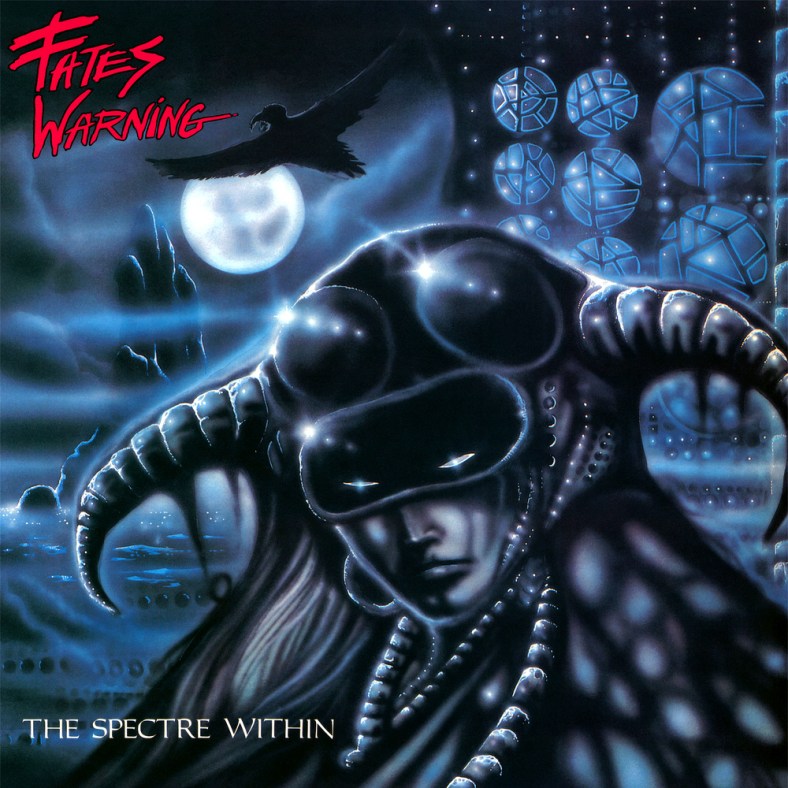
Fates Warning – The Spectre Within

The New Wave of British Heavy Metal was in full swing in the early 80s. Thanks to bands such as Iron Maiden and Judas Priest (amongst others), heavy metal was taking hold, becoming a pretty big deal, and many bands were following in the footsteps of those greats.

One of those bands was Fates Warning, from Connecticut. Their first album, Night on Brocken dropped in 1984, with a distinct sense of Iron Maiden worship.

However, a closer listen revealed some tendencies to more progressive music. Shades of bands such as Rush were creeping into the NWOBHM sound that Fates was building their sound on. Enter their second album in 1985, The Spectre Within, and I don’t think it would be unfair to say that progressive metal was born.

Taking the metal sound of Night on Brocken and adding different time signatures, allowing the music to really be more dynamic and variable, and in retrospect, ground was being broken. Fates Warning is anchored by the guitar playing of Jim Matheos, and on The Spectre Within we see him upping his game considerably. Songs like “Orphan Gypsy” still are built on that fast, metal riffing. But it is also willing to slow things down, add some variation with the choruses. “Pirates of the Underground” is one of my favorites. Starting with a rapid gallop, it slows things down when the first verse hits, only to end by speeding up again, with one of my favorite endings in metal.

And that is a theme really seen on The Spectre Within. Few, if any, of the songs are predictable, or go where you initially expect. Yet what also makes this album so strong is how none of these transitions feel abrupt or out of place. There is a definite flow to the album, despite the changing time signatures and tempos throughout.

Songs like “The Apparition” are legitimate prog masterpieces. Final track, “Epitaph” is 12 minutes of excellence that really shows where the band would go on subsequent tracks like “Exodus” and “The Ivory Gate of Dreams”.

It is impossible to talk about the first three Fates Warning albums without spending some time on the vocals of John Arch.

Let me start by saying that, it took me a bit to really get into his voice. Given that Ray Alder was my introduction to Fates Warning, John Arch was something completely different. I’ve read that Tony Iommi said that Ozzy sang with the melody, but Dio sang across the melody. That is a good way to describe John Arch as well. His vocal melodies are some of the most interesting in metal. He has a high tenor, and isn’t afraid to use it. But what I love the most is just how dynamic his vocal lines are. This man can sing, and amazingly still can today. Because his vocal melodies are much more unique and dynamic than usual for this type of music, it takes a bit for them to click. But once they do, I’ll fight anyone who has bad things to say about John Arch. It’s that simple.

The Spectre Within is an essential album, as it really is the birth of prog metal. It holds up excellently today and is a dynamic, vibrant musical expression of a band that continues to shape progressive music to this day.

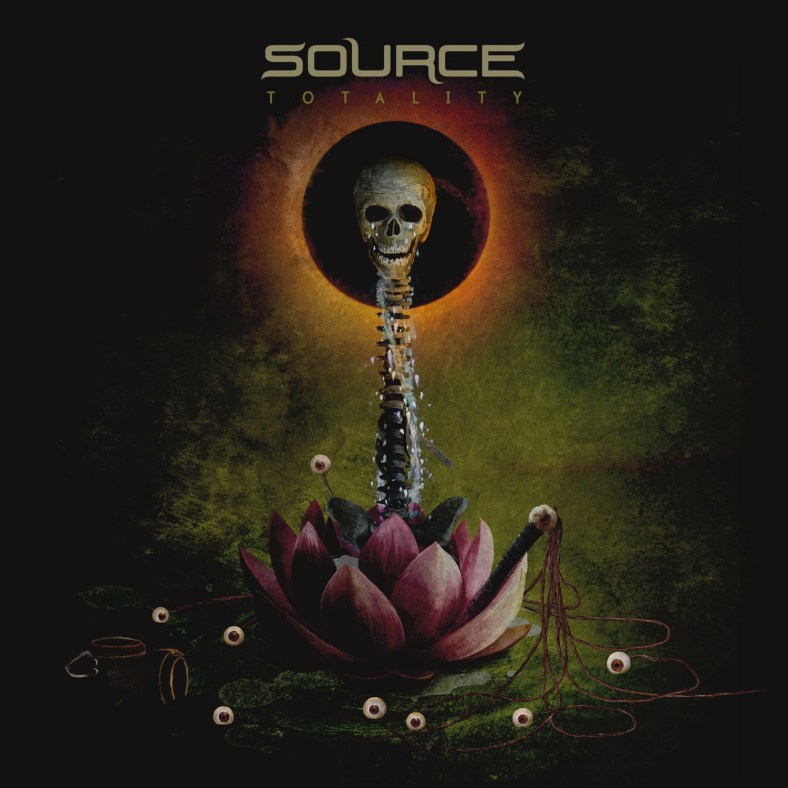
Source – Totality

Three years ago, thanks to a review at good old Angrymetalguy.com, I stumbled across a release from a three piece band from Colorado. The band was Source, and the album was Return to Nothing. It was a little too brazen in its Tool worship, and there were shades of the band Soen as well. But it was a lovely album of noodly, heavy music, with some serious progressive overtones. Songs were long, had needlessly long instrumental passages, and probably could have benefited greatly from some self-editing.

But it was also refreshing, a little eclectic, and wholly endearing.

I loved it and desperately hoped it wouldn’t be a one off. To my excitement, 2019 brought us the second album from Source, Totality. And I won’t lie, I don’t love it as much as I wanted to.

Don’t get me wrong, it I still a really solid album, one which I like quite a lot.

It is also a more mature album. The Tool worship is far less pronounced. Songs aren’t nearly as long or self-indulgent. They are more straightforward. They are more concise. They still have the progressive overtones, but avoid devolving into musical onanism. If I’m being honest, I actually think it is a better album. It took everything that was actually good from Return to Nothing, and focused it and honed it to a more impactful edge.

But I miss the indulgent nature of the previous album.

Looking at Totality on its own merits then, it is a really, really good metal album from a 3 piece band that is finding their voice. This is a more confident band, who manages to be impactful without being too long in the tooth. There is a lot to like here. The playing is excellent. These are skilled musicians who don’t feel the need to beat you over the head with their ability. I like the guitar tone a lot. It has just enough crunch to be metal, but isn’t going to turn anyone off by being too much.

I’d love the bass to be a little more noticeable, because it is good playing, but it can get a bit lost in the mix. Lyrically, this is actually a pretty dark album, addressing issues such as suicide, acceptance, and dealing with life challenges. You get the sense these lyrics are fairly personal.

I really like Source. This is a young band with, I hope, a bright future. They write great songs, are developing a real identity for themselves. I look forward to what they do next, and hope that perhaps they will bring back in a bit of those more progressive aspects from their first album. Totality is more than worth a listen, and while I don’t find myself drawn back to it as much as I was their debut, I have come back time and again and every time end up thinking “I should probably listen to this album more than I do!”

And that is always a good sign.

Tool – Fear Inoculum

So far, all I’ve pretty much done is write about albums I like. And, well, that is fine to me. This isn’t a blog for reviews. I’ll leave that to others. Again, these are my reactions to music. And sometimes, that reaction is apathy.

So, with a heavy heart, I state that, in my opinion, Fear Inoculum by Tool is just fine.

And I’m neither surprised nor really disappointed. I mean, I thought that their previous album, released 13 FREAKING YEARS AGO, 10,000 Days was just fine as well. There were a few good tracks, and some filler crap, and a handful of songs that just bored me before they ever wrapped up.

Look, I won’t claim to be the most die-hard Tool fan ever. I like their previous music, and even would say that I think Lateralus is a brilliant album. But I don’t love it either. There are excellent tracks on it, but overall, it leaves me feeling a bit cold. Still, they are Tool, and I can’t deny the impact they have had on modern rock/metal.

Of course, that meant that their first album in over a decade was sure to create a bit of a stir.

Then the title track, “Fear Inoculum” dropped. I preordered the album, because this was Tool after all. And I listened to that song. Then I listened again. Then one more time. Then I decided to spend my time listening to songs that were actually interesting. But I was still open to giving the rest of the album a fair shot. And so it was released.

And, much to my surprise, what I found was an album where the proper songs (forget the stupid “interludes”) followed a formula. Yes, formulaic songs from Tool. Long songs (around 10 minutes), with a mellow, slow, quiet intro. This slowly builds, adding more instruments, eventually the song reaches some type of crescendo. Maybe it backs off and builds again, or maybe the crescendo comes at the very end. Either way, about halfway through the album and I was bored.

Yes, bored. Big time.

Here’s the thing. I dig progressive music, so nothing Tool is doing on the album wowed me in that regard. I have more than enough patience for long songs, if they do something interesting (Mirror Reaper anyone?), so it wasn’t that the songs were longer than your average tune. They just felt boring. Yes, we have crescendos and denouements, but I just kept waiting for the songs to reach a bit higher of a crescendo, so was left wanting more. And even formulaic music can be well appreciated. Take Cult of Luna. They have a certain formula, and it works. But they still mix it up enough that the songs feel different and fresh. Instead, the formula on Fear Inoculum makes each song sound almost generic.

They playing is fine. These guys are excellent musicians. But the album just never hits with the impact I was hoping for. It isn’t bad. None of the songs (again, ignoring the stupid interludes) are atrocious. They just all start to blend together as far as I am concerned, and nothing has made me want to come back to Fear Inoculum in the months since it has been released. They feel cold and clinical, surprising since older Tool had so damn much emotion, even if that emotion was often anger.

Others will disagree, and adamantly so. Tool has a somewhat rabid and, at times, myopic fan base who think that everything Tool does is the best and most original (despite the fact that many bands do and have done the same sort of thing and in many cases do it better). And that is fine. I won’t take issue with anyone who loves Fear Inoculum as, again, it isn’t a bad album by any stretch of the imagination.

It’s just sort of fine and a bit boring and forgettable. And if that isn’t damning with faint praise, I don’t know what is.

Allegaeon – Apoptosis

Three years ago I had a video recommended for me on Facebook. It was of a cover of the Rush classic “Subdivisions” but a band named Allegaeon. I’d never heard of them before, but it was a Rush cover, and a great song to boot. So I decided to check it out.

What I heard was a faithful cover, but not a copy, that sounded excellent. Suddenly I was intrigued. Who was this band? Apparently this single was being released in anticipation of an upcoming album. The title of the album was Proponent for Sentience. Ok, that’s cool too. A little more digging and I find out these guys are apparently a death metal band. So, now we have a death metal band covering Rush, and releasing an album about artificial intelligence. And then there was the back catalog. Songs like “Dyson Sphere”, “1.618” (that would be the numerical approximation of the golden ratio), and “The God Particle” demonstrated that these guys were also firmly rooted in and writing songs about science.

That freaking rules.

And I really fell in love with the band and their music. Seeing them live on the Proponent tour reinforced that they are amazing musicians, and super chill dudes. So I was all on board for their 2019 release Apoptosis (another scientific term).

What we have, then, is another slab of technical, progressive death metal, with scientific themes. If that doesn’t make this album stand out a bit, I just don’t know what will. The playing is excellent, as always. The songs are intricate, heavy, and progressive. But most importantly, and one of the thing that sets these guys apart from so much other “tech death” is the fact that they really focus on melody.

All of the songs are just that, songs. These aren’t just collections of riffs played as rapidly and ferociously as possible. Riley, the lead singer, can growl with the best of them, but also has a really nice, clean vocal when the song calls for it. Moments of classical, acoustic guitar are peppered throughout (with an entire interlude type track consisting of just that). These songs are musical. Still, the playing is extremely technical, but it doesn’t feel mechanical, automated. This is music written by and played by people who understand and love music.

I love me some tech death. But other times, you really want songs that center around melodies. And that is what sets Allegaeon apart for me. Overall, I do think I prefer Proponent for Sentience over Apoptosis. But that also could be due to the fact I’ve been jamming to Proponent for the past three years, and only have a few months with Apoptosis. Again, saw these guys live on this tour and the brought it. They play with energy, passion, and a love for the music. It translates through in the music. While still relatively young, their first EP dropped in 2008, Allegaeon have become one of my favorite bands, and Apoptosis is a worthy entry in their oeuvre.

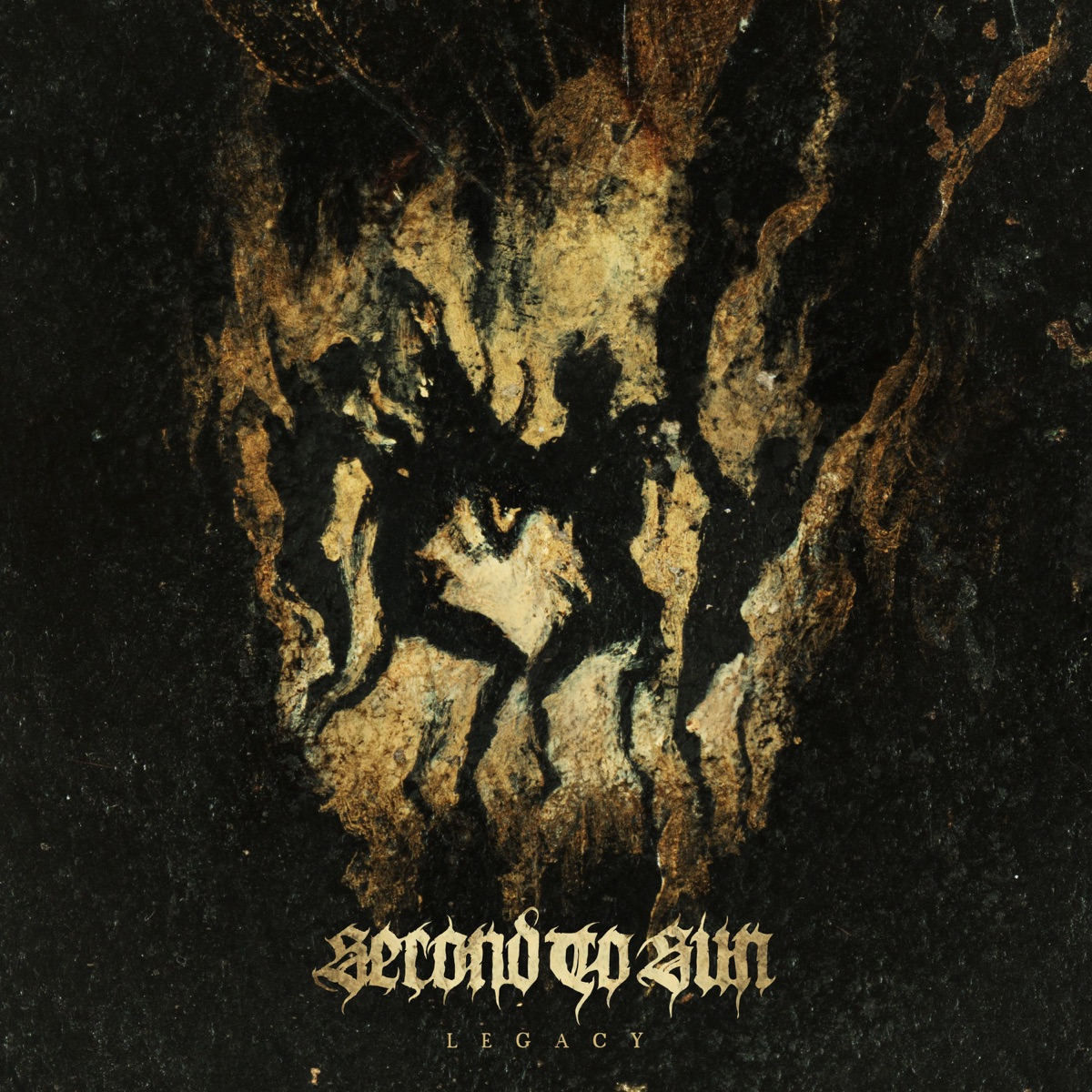
Second to Sun – Legacy

This is a bit of a mix-up today. I hadn’t originally planned to write about this album. In the list of 30 albums for the 30 days of November, this wasn’t on the list, simply because it hadn’t been released yet. But now it has been released, and I simply must write about it.

Second to Sun hail from Russia, and their music is deeply rooted in their country. Songs often take themes from Russian history of folk-lore, and just as often, incorporate sounds that strengthen that tie. And they have been incredibly prolific over the years. Starting out as an instrumental band, they have added lyrics and vocals over the years, broadening their sound. But they still hold close to their instrumental roots, as all of their past few albums have had both an instrumental and a vocal release. Most interestingly, they are such excellent writers, that the two versions feel like separate, wholly realized compositions, not just one version with the vocals stripped away.

Deeply rooted in black metal, but playing around with a host of other elements, including some death metal, so groove based riffs and passages, and always willing to allow the music to progress, Legacy is no different.

Let me just start off by saying, this album freaking rules. I’ve been listening to it almost nonstop for the past 3 days, and it is infectious, addictive, and has a real shot at being in the top 10 list of the year for me. I won’t bore with a track by track discussion, but I will say that there isn’t a weak song here. Some are straight up bludgeoning tracks (opener “Devil” comes to mind). Others alternate, building tension with keyboards and orchestrations, giving the songs room to breath and become more than weapons (“Pages For A Manuscript” for example).

Calling the vocals harsh is like calling ghost peppers “spicy”. Talk about understatement. These vocals could strip the paint right off your deck and sand it at the same time. They are raw, powerful, and uncompromising. But they fit the music so well. This is music written by people who know what they want to do and how to use those tools to make it happen. Instrumentally, there are no drawbacks to be found. The music is frenetic, it is brutal, it is atmospheric, it is haunting.

Second to Sun don’t write music to relax to. This isn’t casual music. It is heavy, it is harsh, and I can imagine that it would be too much for people without some degree of comfort with heavy music. But it is also brilliantly written and performed, and an impressive demonstration of just how vital and important black metal has become as a sub-genre. Far from the church burning roots, Second to Sun clearly demonstrate on Legacy that black metal is simply a tool, and they are using to bring a haunting piece of Russia right into your ear-holes.

https://youtu.be/q9UGNaRbFz8

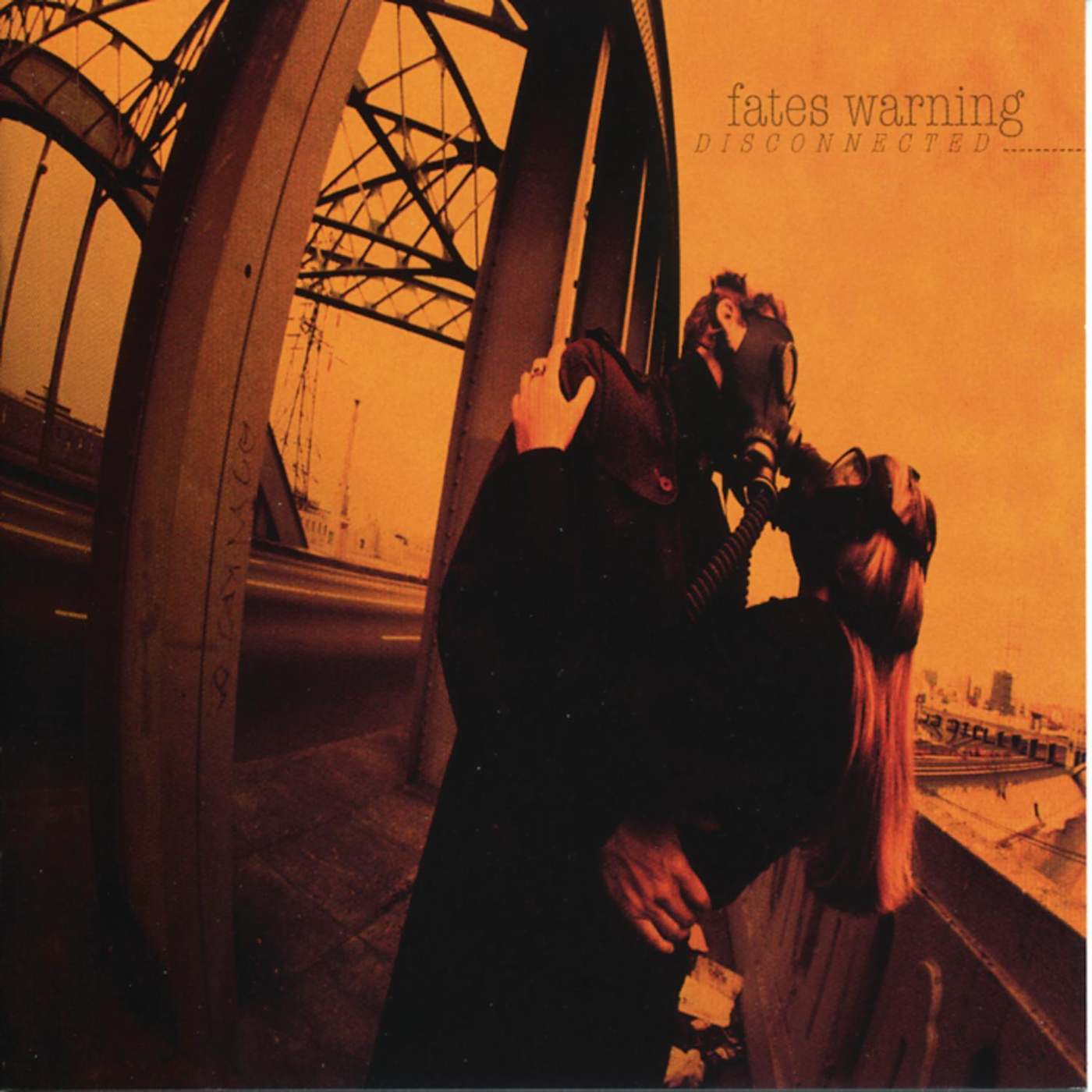
Fates Warning – Disconnected

It’s almost difficult for me to talk about Fates Warning. On the one hand, it is because they are, in my opinion, the single most underrated band in the history of metal. On the other, it is because they are very possibly my favorite band of all time. Depends on the day, but it’s a toss up between Fates and Neurosis.

But why are they my favorite? For two main reasons. Number one, because they write amazing music. And second, because they were such an essential band on my journey of really getting into and appreciating metal on the whole.

I’d heard the name, but it was many years before I actually started listening to them, so I was super late to the game. It was actually right around the release of Disconnected in 2000 that I finally got around to listening to the band. And that was probably the perfect album for me to start listening to them. It may not be their best album, but it probably is my favorite. We’ll leave John Arch’s amazing vocal melodies, and the idea that their 1986 album The Spectre Within really can be considered the birth of progressive metal for another day. But today, let’s just enjoy the mastery that is Disconnected.

There had been some band changes in recent years, but Disconnected was the second band with the same line up as on A Pleasant Shade of Gray. And what we have is a group that really seems to have come together, with a clear understanding of what they want to do and where they were going. Kevin Moore’s work, both on keys, but most importantly in creating an atmosphere are on full display here. And I will continue to argue that Jim Matheos has penned more brilliant songs than just about anyone in the business.

Disconnected really runs the gamut of what Fates Warning can bring to the table. There are atmospheric tracks, like “Disconnected Part 1” and “Part 2”. There are relatively straightforward rockers like “One” and “Pieces of Me”. And then you have the progressive epics. “Something from Nothing” slowly builds over the course of its 11 minutes. But the real star of the show here is “Still Remains”, a 16 minute progressive and emotional epic.

I love the complete lack of fear or need to hurry here. The song slowly builds for minutes before it finally hits its stride into what one would consider a proper song. And then it keeps building and morphing. Throughout all, the performances are stellar, and the emotion is palpable. Disconnected is an album about relationships, about loss, about human connections and how those impact our lives. And “Still Remains” is the ultimate track to convey all of this.

I really can’t find a flaw in this album. The performances are excellent. Jim Matheos, in addition to being an excellent guitarist, also has amazing guitar tone on this album. Immediately recognizable. Ray Alder’s vocals are as fantastic as always, powerful, clear, expressive. Mark Zonder always was one of the more interesting drummers in the business. Even the final track, “Disconnected Part 2”, is a necessary part of this album. It completes the album, really hitting home the sense of loss and sadness that permeates the album.

I love all Fates Warning albums. And they have some truly groundbreaking and essential ones. Disconnected may not be their very best, but I think it will always be my favorite, and is clearly one of my top 10 albums of all time.

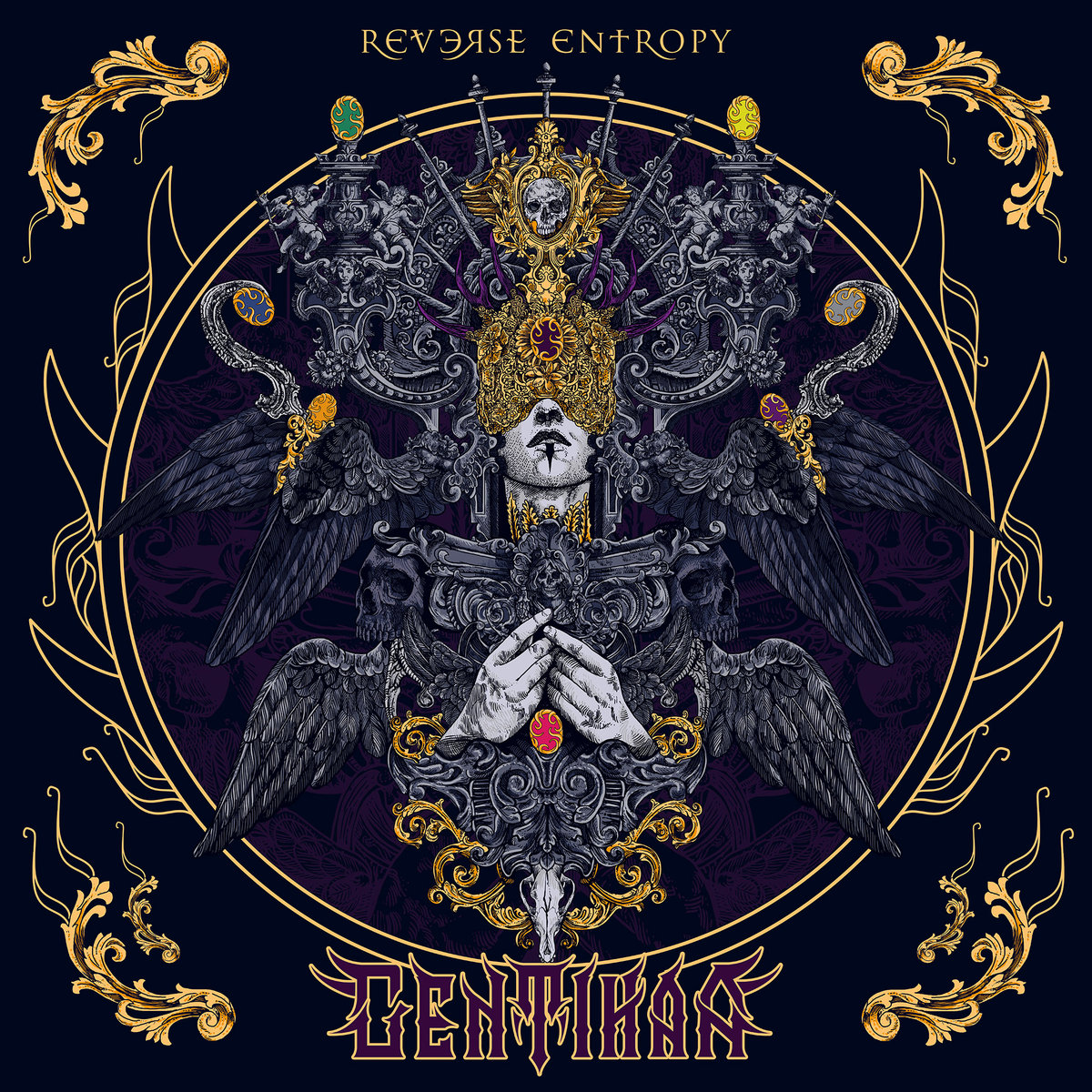
Gentihaa – Reverse Entropy

Years ago I fell in love with the first few albums from the band Pain of Salvation. I fell off hard with the release of BE, and honestly, never really got back on board with the band. But I always loved Daniel Gildenlow’s voice. It is powerful, extremely versatile, and one of my favorites. His ability to go from quiet, almost plaintive whispers to full on screams in short order not only impressed, but really got me hooked.

Interestingly, I just hadn’t realized how much I missed that. Enter Gentihaa, with their debut album Reverse Entropy. I discovered this gem thanks to the excellent write up over at Angrymetalguy.com. As a debut album from a Greek band, this was in no way on my radar at all. But the review was unique, entertaining, and sufficiently complementary that it piqued my interest. Even more, I was curious about the fact that Tom Englund, of the formidable Evergrey, had done guest vocals on 2 of the tracks.

Genrefication of music is a troublesome sport. It can be helpful, giving the listener some type of framework to anticipate the music. For example, if you tell me something is “technical death metal”, I have a decent idea of what I’m going to get. Well, AMG described Reverse Entropy as “power metal”. Yet the band describes themselves as “symphonic death/black metal”. Those are fairly differing genres right there my friend, yessiree. And then I started listening to the music. And I’d add in some “progressive metal” elements in there. So we have a real mashup of genres here.

And, well, it makes the music freaking rule!

To be fair, I just don’t see much of the “power metal” here. Sure, it is melodic, with some clean vocals and keyboards. But it entirely eschews any of the cheese and the keyboard theatrics that are so often associated with “power metal”. Rather, the vocals remind me more of the aforementioned Daniel Gildenlow than anything. They have many of the same qualities, particularly the versatility. The smoothly and effortlessly move from low whispers, gentle singing, almost death metal growls, and powerful screams. Add in the counterpoint of Tom Englund on two of the tracks, and you end up with one of the most interesting and engaging vocal records of the year.

But the rest of the band holds their own as well. The guitars have a wonderful, clean crunch to them. The drums are dynamic, with excellent fills and the oft-unheralded ability to move from double bass and blast beats to gentle drumming, as the songs demand.

Lyrically, it is apparently based on some piece of fiction on the internet. That sounds silly, and if they slavishly felt the need to tell this story, it would be beyond silly. Yet, exhibiting an almost uncommon restraint, the lyrics serve to build the overall dark atmosphere of the album, and don’t distract in any way. And dark this album is. It seethes with a sense of dread and menace. It keeps my just a tad on edge the entire time. I love that aspect, as it prevents it from ever falling into that cheese trap, the trap that so often can put me off from either power metal or even many progressive metal acts.

Again, I’d say this is more of a progressive metal album with some overtones of death metal. It doesn’t overstay its welcome, and I actually wished some of the songs were a bit more fleshed out. But it keeps itself engaging throughout the entire running time. Expectations can be both good and bad, as can lack of. In this case, a complete lack of expectations has led to Reverse Entropy to come out of nowhere and become one of my favorite albums of 2019.