Spiritbox – Eternal Blue

I blame Kmac2021. An excellent musician who disguises himself as a YouTube meme, I first stumbled on his videos blending songs from the likes of the Beatles with death metal. Hi. Lar. I. Ous. No, but seriously, they are funny and totally worth checking out. One day, a number of years ago, he linked to a track from the self-titled EP by a band call Spiritbox.

I checked that album out, found a sound I enjoyed, and added it to my library. Some additional singles were released over the next few years, and I would be aware enough to add them to my library, but not aware enough I found myself going back with sufficient frequency to really have the band click with me.

Enter “Holy Roller”. Reaction videos started popping up on YouTube very shortly after the release of the video in July 2020. This time I think it was Nik Nocturnal’s video that popped up and I decided to give it a watch.

W. T. F.

It was heavy. Really heavy. The video was appropriately creepy. It grabbed me. I was fascinated. I started gobbling up the band’s previous work, in particular the singles “Blessed Be” and “Rule of Nines”. Here was a band with a powerful, versatile vocalist, super clean and punchy production, wicked guitars, and just an overall accessible, while still interestingly complex package. Add on to that, in all their social media and interactions with their Patreon supporters, the band just seemed like chill, super cool people.
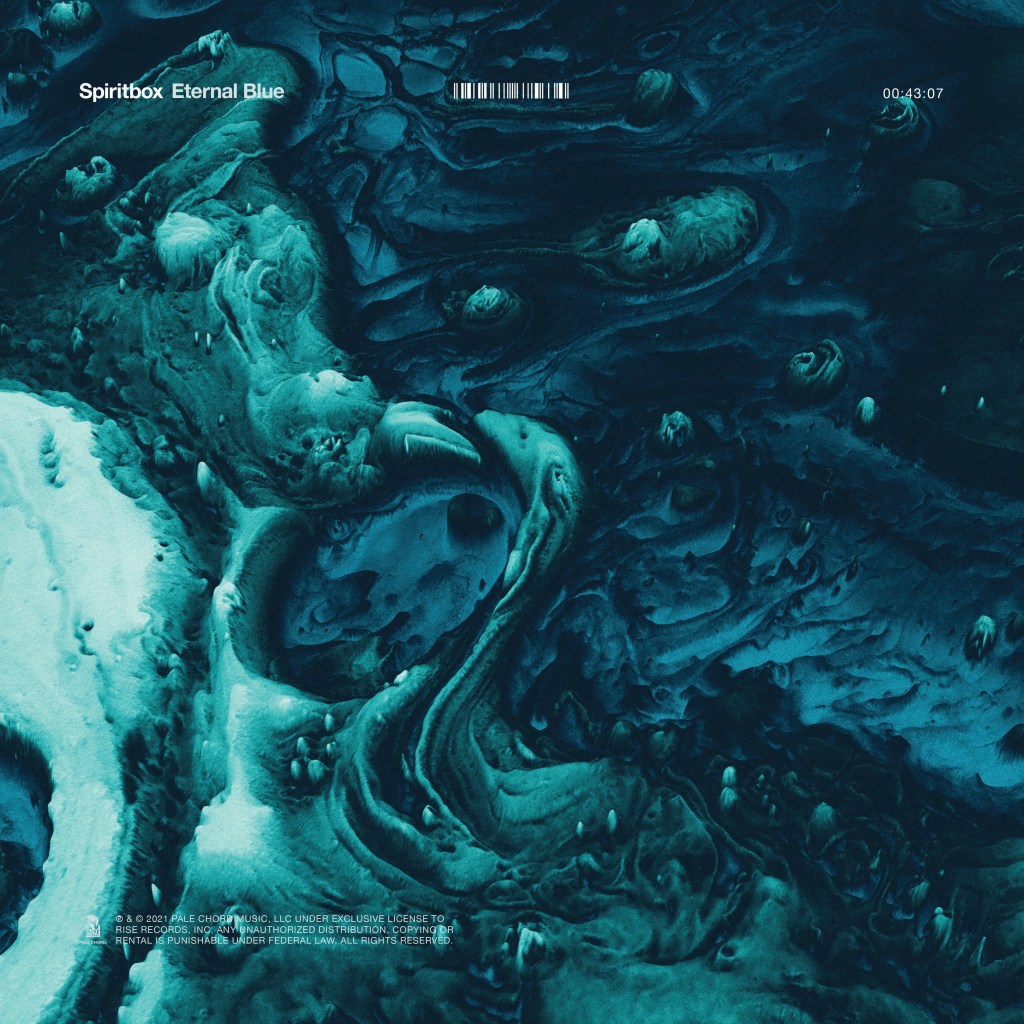
I started following them in earnest and they continued to release a number of additional singles. Anticipation for the full album built for me. And then Eternal Blue dropped.

I’ve been asked what genre Spiritbox would fall into. I guess I would say metalcore. But I feel like that label sells them very short. Lead singer Courtney Laplante has a beautiful clean voice with an often ethereal quality to it. Her screams are things of legend, and her growls, while not the most guttural of female vocalists out there, are very powerful and dynamic. Husband Mike Stringer is an excellent guitarist, combining simple playing with often deceptive complexity, creating layers that help to build the atmosphere in their music.

It really is this atmospheric nature of their music that I think sets them apart from most metalcore bands. Songs have very heavy moments, consistent with the genre. Yet these are often more than balanced by atmosphere, electronic elements, and clean guitar playing.

And Eternal Blue embraces and embodies that diversity. There are songs that are just complete bangers (see “Holy Roller”), while others are tranquil tracks that really lust allow the atmosphere and the emotion of the tracks to wash over you (“We Live In A Strange World”, “Constance”). There are also tracks that are relatively straight forward metal songs, while others are soaked in electronica and layers of effects.

The album also flows fantastically from track to track. In the era of singles (interestingly, many were released prior to the release of Eternal Blue as a whole), this is one of those albums that really was written and recorded in a way to encourage listening from start to finish.

In a genre that can, at times, become boring and predictable, Spiritbox do an exceptional job on Eternal Blue of keeping things interesting. While it rarely feels out of place (with the exception, for me, of the chorus of “Yellowjacket”), the zigging when a zag is expected is done class and skill. Spiritbox seems to really be hitting their stride at the moment, and Eternal Blue is an excellent demonstration as to why that is happening. It is a fascinating release, and makes me that much more interested in what the band will bring next.

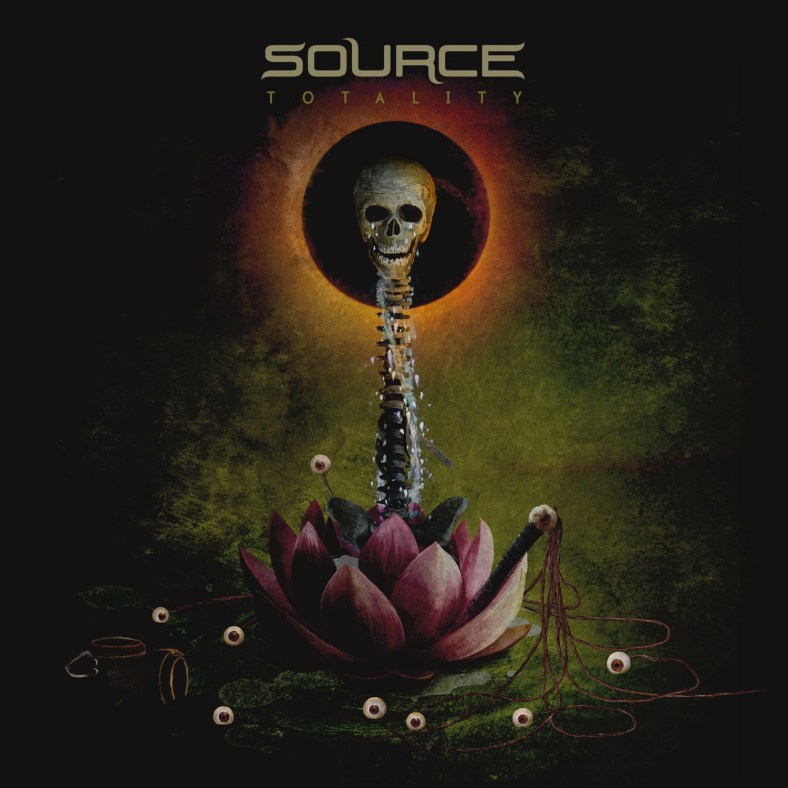
Source – Totality

Three years ago, thanks to a review at good old Angrymetalguy.com, I stumbled across a release from a three piece band from Colorado. The band was Source, and the album was Return to Nothing. It was a little too brazen in its Tool worship, and there were shades of the band Soen as well. But it was a lovely album of noodly, heavy music, with some serious progressive overtones. Songs were long, had needlessly long instrumental passages, and probably could have benefited greatly from some self-editing.

But it was also refreshing, a little eclectic, and wholly endearing.

I loved it and desperately hoped it wouldn’t be a one off. To my excitement, 2019 brought us the second album from Source, Totality. And I won’t lie, I don’t love it as much as I wanted to.

Don’t get me wrong, it I still a really solid album, one which I like quite a lot.

It is also a more mature album. The Tool worship is far less pronounced. Songs aren’t nearly as long or self-indulgent. They are more straightforward. They are more concise. They still have the progressive overtones, but avoid devolving into musical onanism. If I’m being honest, I actually think it is a better album. It took everything that was actually good from Return to Nothing, and focused it and honed it to a more impactful edge.

But I miss the indulgent nature of the previous album.

Looking at Totality on its own merits then, it is a really, really good metal album from a 3 piece band that is finding their voice. This is a more confident band, who manages to be impactful without being too long in the tooth. There is a lot to like here. The playing is excellent. These are skilled musicians who don’t feel the need to beat you over the head with their ability. I like the guitar tone a lot. It has just enough crunch to be metal, but isn’t going to turn anyone off by being too much.

I’d love the bass to be a little more noticeable, because it is good playing, but it can get a bit lost in the mix. Lyrically, this is actually a pretty dark album, addressing issues such as suicide, acceptance, and dealing with life challenges. You get the sense these lyrics are fairly personal.

I really like Source. This is a young band with, I hope, a bright future. They write great songs, are developing a real identity for themselves. I look forward to what they do next, and hope that perhaps they will bring back in a bit of those more progressive aspects from their first album. Totality is more than worth a listen, and while I don’t find myself drawn back to it as much as I was their debut, I have come back time and again and every time end up thinking “I should probably listen to this album more than I do!”

And that is always a good sign.

Tool – Fear Inoculum

So far, all I’ve pretty much done is write about albums I like. And, well, that is fine to me. This isn’t a blog for reviews. I’ll leave that to others. Again, these are my reactions to music. And sometimes, that reaction is apathy.

So, with a heavy heart, I state that, in my opinion, Fear Inoculum by Tool is just fine.

And I’m neither surprised nor really disappointed. I mean, I thought that their previous album, released 13 FREAKING YEARS AGO, 10,000 Days was just fine as well. There were a few good tracks, and some filler crap, and a handful of songs that just bored me before they ever wrapped up.

Look, I won’t claim to be the most die-hard Tool fan ever. I like their previous music, and even would say that I think Lateralus is a brilliant album. But I don’t love it either. There are excellent tracks on it, but overall, it leaves me feeling a bit cold. Still, they are Tool, and I can’t deny the impact they have had on modern rock/metal.

Of course, that meant that their first album in over a decade was sure to create a bit of a stir.

Then the title track, “Fear Inoculum” dropped. I preordered the album, because this was Tool after all. And I listened to that song. Then I listened again. Then one more time. Then I decided to spend my time listening to songs that were actually interesting. But I was still open to giving the rest of the album a fair shot. And so it was released.

And, much to my surprise, what I found was an album where the proper songs (forget the stupid “interludes”) followed a formula. Yes, formulaic songs from Tool. Long songs (around 10 minutes), with a mellow, slow, quiet intro. This slowly builds, adding more instruments, eventually the song reaches some type of crescendo. Maybe it backs off and builds again, or maybe the crescendo comes at the very end. Either way, about halfway through the album and I was bored.

Yes, bored. Big time.

Here’s the thing. I dig progressive music, so nothing Tool is doing on the album wowed me in that regard. I have more than enough patience for long songs, if they do something interesting (Mirror Reaper anyone?), so it wasn’t that the songs were longer than your average tune. They just felt boring. Yes, we have crescendos and denouements, but I just kept waiting for the songs to reach a bit higher of a crescendo, so was left wanting more. And even formulaic music can be well appreciated. Take Cult of Luna. They have a certain formula, and it works. But they still mix it up enough that the songs feel different and fresh. Instead, the formula on Fear Inoculum makes each song sound almost generic.

They playing is fine. These guys are excellent musicians. But the album just never hits with the impact I was hoping for. It isn’t bad. None of the songs (again, ignoring the stupid interludes) are atrocious. They just all start to blend together as far as I am concerned, and nothing has made me want to come back to Fear Inoculum in the months since it has been released. They feel cold and clinical, surprising since older Tool had so damn much emotion, even if that emotion was often anger.

Others will disagree, and adamantly so. Tool has a somewhat rabid and, at times, myopic fan base who think that everything Tool does is the best and most original (despite the fact that many bands do and have done the same sort of thing and in many cases do it better). And that is fine. I won’t take issue with anyone who loves Fear Inoculum as, again, it isn’t a bad album by any stretch of the imagination.

It’s just sort of fine and a bit boring and forgettable. And if that isn’t damning with faint praise, I don’t know what is.

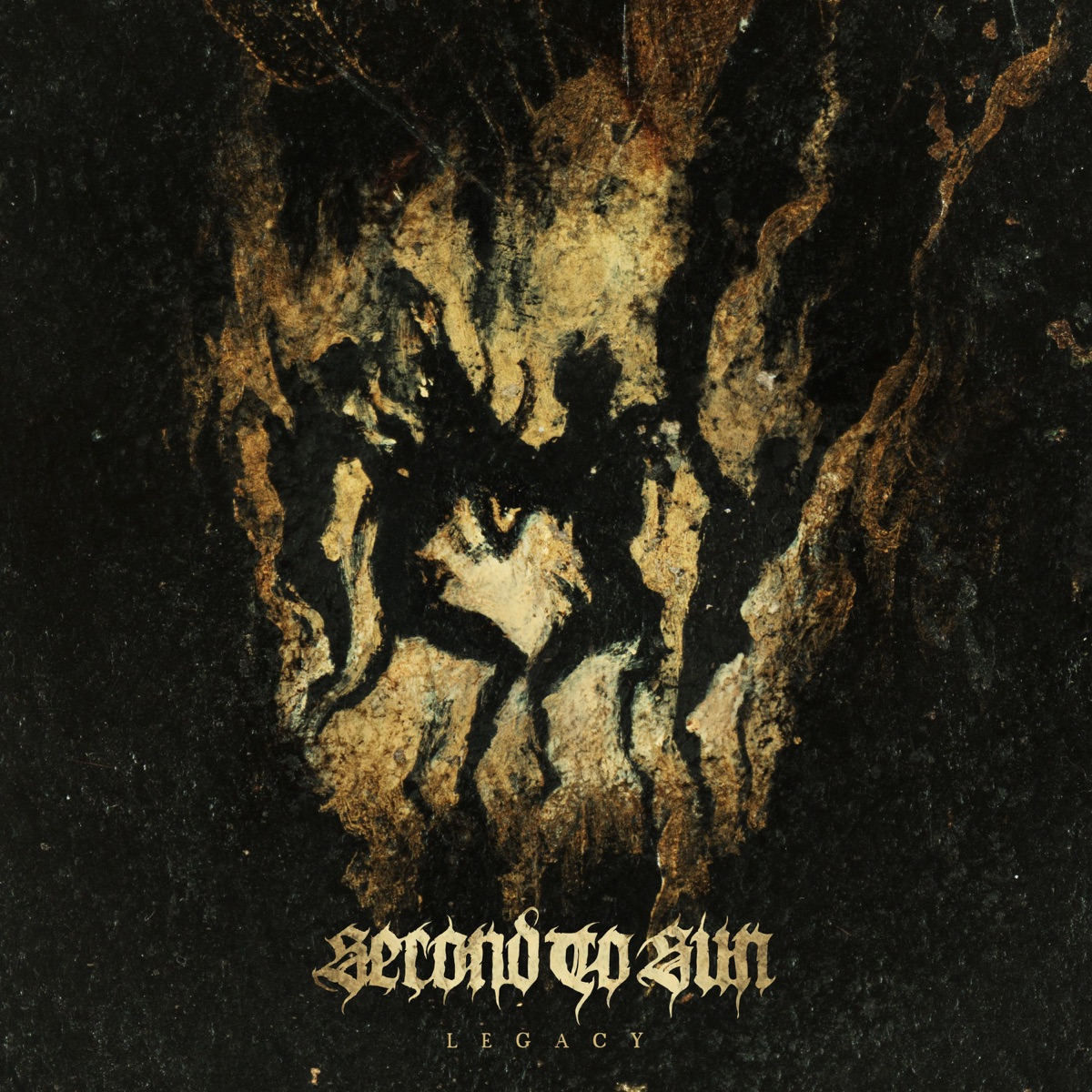
Second to Sun – Legacy

This is a bit of a mix-up today. I hadn’t originally planned to write about this album. In the list of 30 albums for the 30 days of November, this wasn’t on the list, simply because it hadn’t been released yet. But now it has been released, and I simply must write about it.

Second to Sun hail from Russia, and their music is deeply rooted in their country. Songs often take themes from Russian history of folk-lore, and just as often, incorporate sounds that strengthen that tie. And they have been incredibly prolific over the years. Starting out as an instrumental band, they have added lyrics and vocals over the years, broadening their sound. But they still hold close to their instrumental roots, as all of their past few albums have had both an instrumental and a vocal release. Most interestingly, they are such excellent writers, that the two versions feel like separate, wholly realized compositions, not just one version with the vocals stripped away.

Deeply rooted in black metal, but playing around with a host of other elements, including some death metal, so groove based riffs and passages, and always willing to allow the music to progress, Legacy is no different.

Let me just start off by saying, this album freaking rules. I’ve been listening to it almost nonstop for the past 3 days, and it is infectious, addictive, and has a real shot at being in the top 10 list of the year for me. I won’t bore with a track by track discussion, but I will say that there isn’t a weak song here. Some are straight up bludgeoning tracks (opener “Devil” comes to mind). Others alternate, building tension with keyboards and orchestrations, giving the songs room to breath and become more than weapons (“Pages For A Manuscript” for example).

Calling the vocals harsh is like calling ghost peppers “spicy”. Talk about understatement. These vocals could strip the paint right off your deck and sand it at the same time. They are raw, powerful, and uncompromising. But they fit the music so well. This is music written by people who know what they want to do and how to use those tools to make it happen. Instrumentally, there are no drawbacks to be found. The music is frenetic, it is brutal, it is atmospheric, it is haunting.

Second to Sun don’t write music to relax to. This isn’t casual music. It is heavy, it is harsh, and I can imagine that it would be too much for people without some degree of comfort with heavy music. But it is also brilliantly written and performed, and an impressive demonstration of just how vital and important black metal has become as a sub-genre. Far from the church burning roots, Second to Sun clearly demonstrate on Legacy that black metal is simply a tool, and they are using to bring a haunting piece of Russia right into your ear-holes.

https://youtu.be/q9UGNaRbFz8

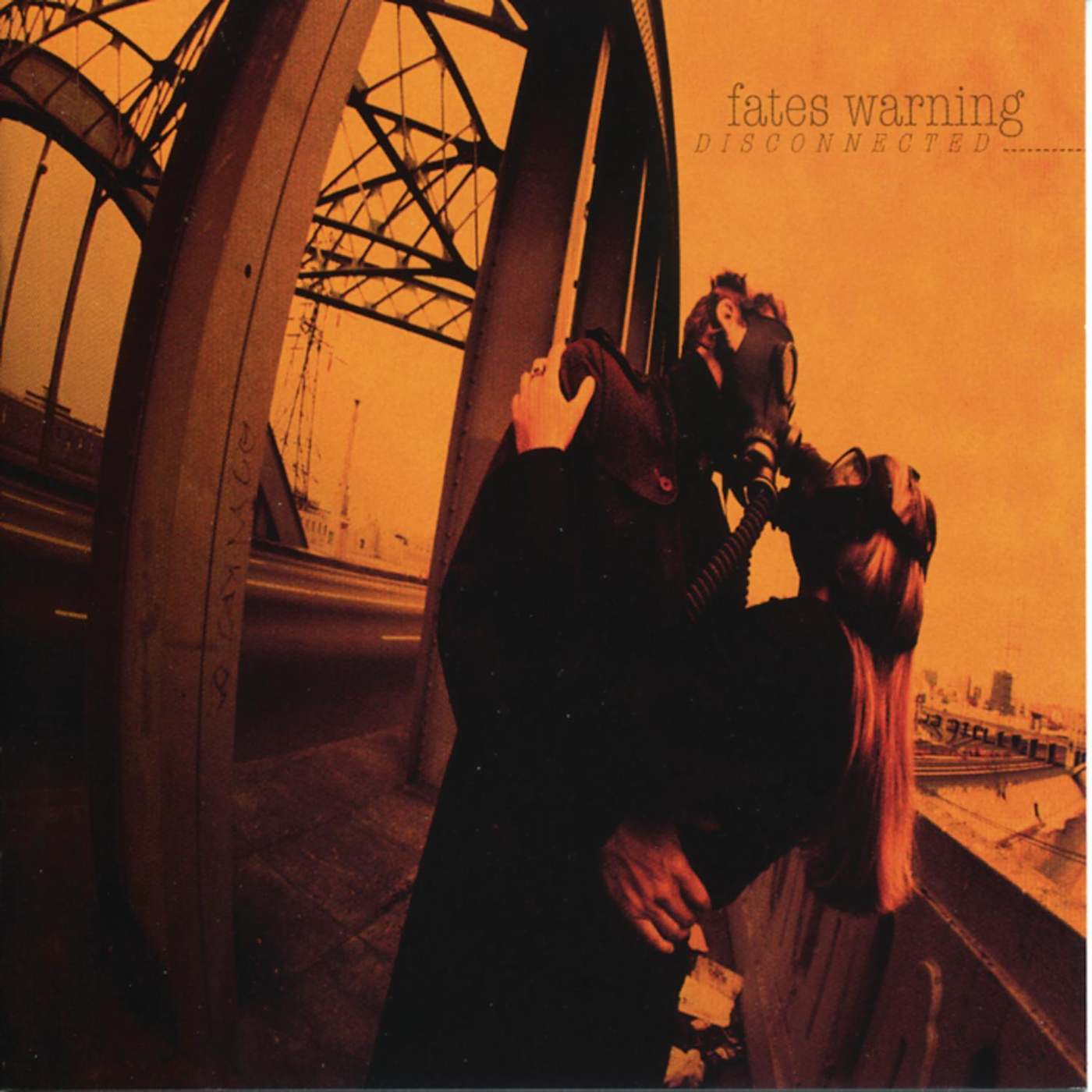
Fates Warning – Disconnected

It’s almost difficult for me to talk about Fates Warning. On the one hand, it is because they are, in my opinion, the single most underrated band in the history of metal. On the other, it is because they are very possibly my favorite band of all time. Depends on the day, but it’s a toss up between Fates and Neurosis.

But why are they my favorite? For two main reasons. Number one, because they write amazing music. And second, because they were such an essential band on my journey of really getting into and appreciating metal on the whole.

I’d heard the name, but it was many years before I actually started listening to them, so I was super late to the game. It was actually right around the release of Disconnected in 2000 that I finally got around to listening to the band. And that was probably the perfect album for me to start listening to them. It may not be their best album, but it probably is my favorite. We’ll leave John Arch’s amazing vocal melodies, and the idea that their 1986 album The Spectre Within really can be considered the birth of progressive metal for another day. But today, let’s just enjoy the mastery that is Disconnected.

There had been some band changes in recent years, but Disconnected was the second band with the same line up as on A Pleasant Shade of Gray. And what we have is a group that really seems to have come together, with a clear understanding of what they want to do and where they were going. Kevin Moore’s work, both on keys, but most importantly in creating an atmosphere are on full display here. And I will continue to argue that Jim Matheos has penned more brilliant songs than just about anyone in the business.

Disconnected really runs the gamut of what Fates Warning can bring to the table. There are atmospheric tracks, like “Disconnected Part 1” and “Part 2”. There are relatively straightforward rockers like “One” and “Pieces of Me”. And then you have the progressive epics. “Something from Nothing” slowly builds over the course of its 11 minutes. But the real star of the show here is “Still Remains”, a 16 minute progressive and emotional epic.

I love the complete lack of fear or need to hurry here. The song slowly builds for minutes before it finally hits its stride into what one would consider a proper song. And then it keeps building and morphing. Throughout all, the performances are stellar, and the emotion is palpable. Disconnected is an album about relationships, about loss, about human connections and how those impact our lives. And “Still Remains” is the ultimate track to convey all of this.

I really can’t find a flaw in this album. The performances are excellent. Jim Matheos, in addition to being an excellent guitarist, also has amazing guitar tone on this album. Immediately recognizable. Ray Alder’s vocals are as fantastic as always, powerful, clear, expressive. Mark Zonder always was one of the more interesting drummers in the business. Even the final track, “Disconnected Part 2”, is a necessary part of this album. It completes the album, really hitting home the sense of loss and sadness that permeates the album.

I love all Fates Warning albums. And they have some truly groundbreaking and essential ones. Disconnected may not be their very best, but I think it will always be my favorite, and is clearly one of my top 10 albums of all time.

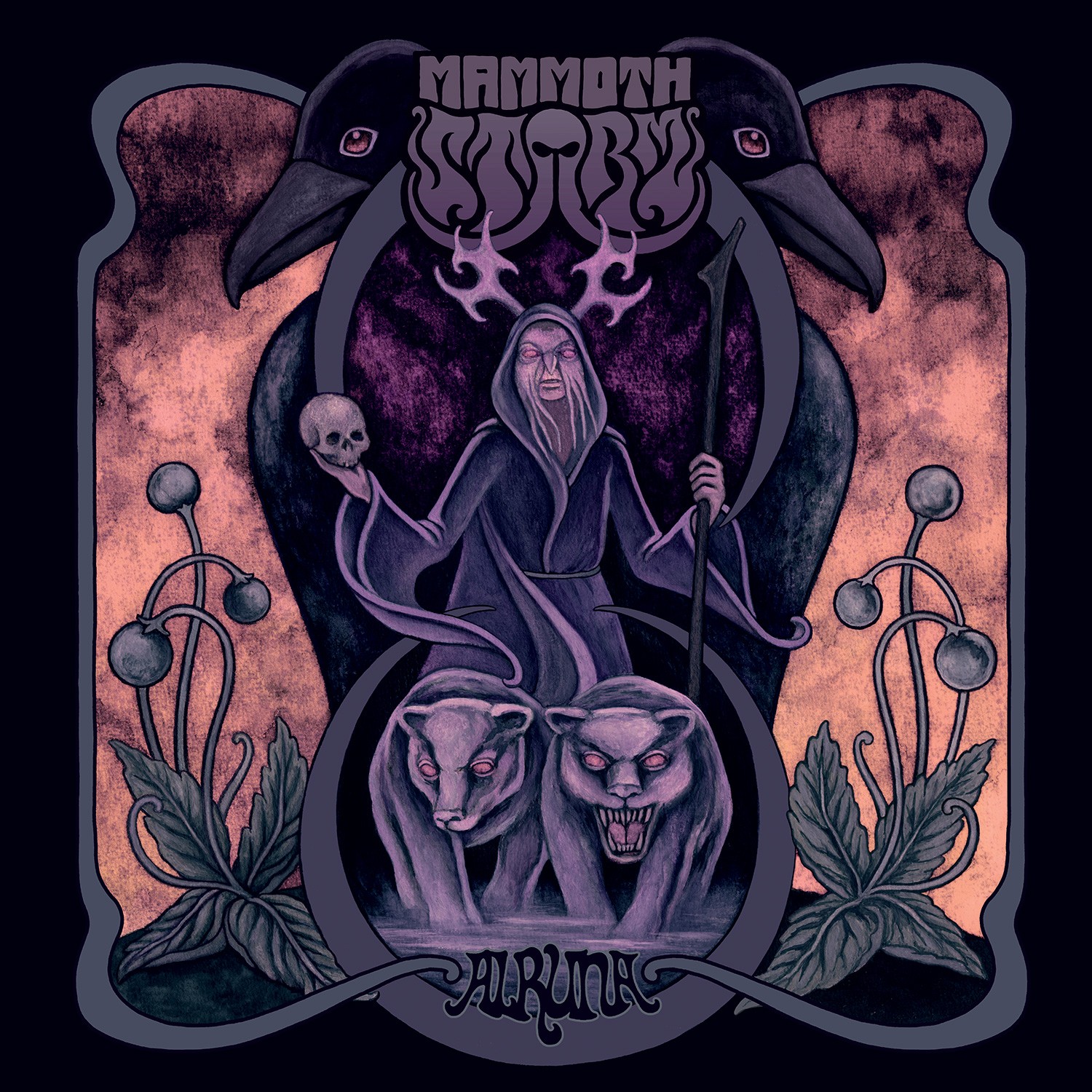
Mammoth Storm – Alruna

Heavy. What does it mean when discussing music? It is a nebulous term at best. For some, it is hyper-fast, aggressive, with harsh vocals. For others, it is down-tuned 8 string guitars with sick breakdowns. Yet others may think of slow, ponderous tunes.

And you know what? They are all right.

That’s part of what is fun about heavy music. There is a type of “heavy” for almost every mood. Some days, I’m looking for “Underneath the Waves” but Strapping Young Lad. Other days it’s “Rational Gaze” by Meshuggah. But when I really want heavy-as-a-two-ton-heavy-thing, can’t breathe it’s so heavy, being suffocated at the floor of the ocean, I turn to Mammoth Storm.

I became familiar with Mammoth Storm in 2015 with the release of their first full-length, Fornjot. And, finally, this year, they followed up with their second release, Alruna. And both are mammoth (pun intended) slabs of doom. Alruna is replete with low, chugging guitars, with a powerful rumble in the rhythm section. Vocals are clean, but with a raspy quality. And this stuff is slow.

Now, not quite funeral doom slow. I mean, we’re talking about more than 2-4 bpm here. But, unlike some doom metal (some Candlemass songs, some Khemmis tunes, to name a few), Mammoth Storm doesn’t ever speed things up. And the effect is profound. This is the soundtrack for the bottom of the ocean. This is the music of gravity slowly increasing, pulling you with more and more force to the ground. This is crushing music. But the slow crush of gradually being pressed to death, not the sudden crush of something along the lines of Misery Index.

And the guitar tone! I could go on and on about the guitar tone. It is full, rich, with a distortion that just screams “DOOM”. It builds the atmosphere of each song. At times, pulled back, other times, full throated and burly. This is the sound of guitars that know that music has power, that it can move people. This is the sound of guitars that know music can change the world. I don’t know exactly how they get this tone, but it is marvelous and I find myself wanting more.

Alruna is a great album. The songs are lengthy, given room to grow and build, without ever overstaying their welcome. The production fits the music excellently. It is clear enough to hear what is happening, but has just a little layer of grit over the top that helps with the sense of heaviness. I still prefer Fornjot over Alruna, but more Mammoth Storm is always a good thing, and I’ll gladly take what I can get.

Cloudkicker – Beacons

At some point (I’d like to think I’m not alone here), I started to dive down the djent rabbit hole. I don’t remember what started that dive, but I stumbled across one of three key albums. Not sure which came first, but it was probably either One by TesseracT or Periphery by Periphery. Something about the down tuned, palm muted, chugging sound got to me.

I’d heard Meshuggah, having listened to them since Nothing dropped years before. But for some reason, I hadn’t tied them to the whole djent thing. And, frankly, I still don’t. Meshuggah is Meshuggah. Honestly, they stand on their own.

As part of that dive into djent, I found a blog with a whole host of recommendations. And there, they mentioned Cloudkicker. A one man project, releasing music on Bandcamp, I promptly went and started checking out Ben’s music. There were a number of EPs, and one full length previously release. And then there was Beacons.

This is instrumental music. Some people have a hard time with instrumental music, for reasons that continue to evade me. I’ve pretty much always loved instrumental music, both with a love of classical music (Baroque music especially), but also because of my love of Rush growing up. Songs like “YYZ”, “La Villa Strangiato”, and others were some of my favorites. And now, here was more guitar driven instrumental music. I ate it up.

Disclaimer: I’m not sure that I would, personally, toss Cloudkicker into the djent camp, but I think that label is pretty stupid anyway.

Nonetheless, what we have on Beacons is guitar heavy, instrumental music, with loads of dynamics. Yes, there are heavy, chugging sections. But these are balanced by clear, non-distorted guitars, quite passages, and moments that build strong atmosphere. Beacons just flows, right from start to finish. It tells a story through the music and the titles. The beauty of instrumental music is that it affords each person to create their own story.

It is the flow of Beacons that creates such a powerful narrative. It feels less like a collection of songs, and really harkens back to the idea of a whole composition, with each song more of a movement. While there aren’t necessarily recurring motifs throughout the album, it still has a cohesive feel that permeates all the tracks. The playing is excellent, Ben is a wonderful guitarist. Much of the other instruments are programmed, but surprisingly don’t really feel like it. This really has to do with the strength of the writing and just how engaging it is.

I love pretty much all Cloudkicker albums. But Beacons stands apart. It is a powerful piece of music that still feels fresh, engaging, and powerful. It is an emotional journey, and an album I recommend to everyone without hesitation.

Guilt Machine – On This Perfect Day

Arjen Lucassen is many things. But boring will never be one of them. 

I first became familiar with Mr. Lucassen when the release of the Ayreon album The Human Equation was soon to be released. At the time, progressive music, both rock and metal, were my staples. I was a fan of Dream Theater (amongst others) and with the announcement that James Labrie would be singing the main character in the album, I started to pay attention. 

It opened a fascinating universe for me. The music of Ayreon, really just one of the musical outlets for Arjen Lucassen, was expansive, progressive, imaginative, and really hit the prog spot I was looking for. I fell deep down the rabbit hole, became an instant fan, and started to assiduously follow the man’s work.

2009 saw the release of a side project of Arjen’s, titled simply Guilt Machine. Stripping many of the excesses of his Ayreon project, On This Perfect Day presents a more direct approach to his unique style of progressive music. For vocals, Arjen enlisted Jasper Steverlinck, a pop singer from Belgium, rather than the expansive cast of vocal characters seen on Ayreon releases. 

What we have, then, is really lovely, clean pop vocals paired with facets of the Ayreon heaviness. Yet one of the aspects that makes Guilt Machine just so darn good is the way the heaviness is deftly balanced with the atmosphere. Nearly all the songs have a slow build, until the guitars finally kick in. And the dynamics continue throughout each song. None of the songs is in your face the entire time. That balance opens the music up, making it quite accessible, while still being deeply layered. And, let’s be honest, you have to find the version with the bonus tracks, simply to hear “The Stranger Song”. Jasper’s vocals are so powerful on that track, I get chills every time.

Lyrically, this is a dark album. Surprisingly so, honestly. The songs all seem to deal with loss, with things breaking down, with regret. This isn’t light, poppy fare. Nor is it the dense sci-fi stuff of the Ayreon albums. The atmosphere is further built by the addition of recorded voicemail messages. Arjen posted a number for fans to call and leave any message they wanted in their own language, and those messages are peppered throughout the album. It sounds like a gimmick, yet the way it is handled creates a powerful sense of reality. The addition of those messages helps the album feel grounded in a way few albums are.

There hasn’t been anything new out of the Guilt Machine camp in 10 years. And I’ll be honest, this album is so near perfect, that it might just be best to let it stand alone. While I’d love to hear more from this particular collaboration, On This Perfect Day is just that: perfect.

Norma Jean – All Hail

undefined

The truth is, I like most subgenres of metal. However, anything that ends in -core, well, it just doesn’t usually click for me. As with everything in life though, there are exceptions.

Norma Jean is one of those exceptions. And All Hail slams an exclamation mark on that exception.

I became familiar with the band Norma Jean with their 2013 album Wrongdoers. For some reason, songs off that album popped up in my Pandora feed. I don’t recall what station led to that, but pop up they did, and I remember digging some of their stuff.

2016 came, and with it their album Polar Similar, I was paying complete attention. So when I saw that All Hail was getting ready to drop, I pre-ordered it without question. Specifically after hearing the first single, [Mind over Mind]. That song hit like a ton of bricks, and didn’t let up for its short two and a half minute run time.

All Hail is unquestionably metalcore. But it is metalcore that has matured. There is a deftness to the writing on the album that really draws me in. There are plenty of face smashing, head banging moments that get the blood pumping. Yet these moments are balanced by other moments of subtlety and peace. This makes the record stand out for me.

Metalcore, like all its -core brethren, can be a little too much. Too samey. Too balls-to-the-wall from start to finish. There is actually room to breathe on All Hail. And the album is undeniably stronger because of it.

Case in point, “Translational”, a song that will be at the very top of my favorite songs of the year list. It starts slowly, almost gently, and gradually builds from there. Screams are balanced with softly sung lines until the song explodes with the scream “Deliver me!” Yet they still have the maturity to reign the song in, and pull it back. This makes the “Burn baby, burn!” peak of the song that much more powerful. This is a masterclass in dynamics and maturity that eludes most -core bands.

It is this maturity, this ability to weave different layers of intensity, to contrast heavy and atmosphere, that makes All Hail such a darn triumph of writing. And the writing is bolstered by excellent playing and production that, while consistent with almost too polished modern sensibilities, allows the music to have that space to breathe that it needs. Yes, this is loud, but it never gets to be too much.

And with that balance and maturity, Norma Jean has dropped one of my favorite albums I have heard this year.